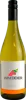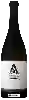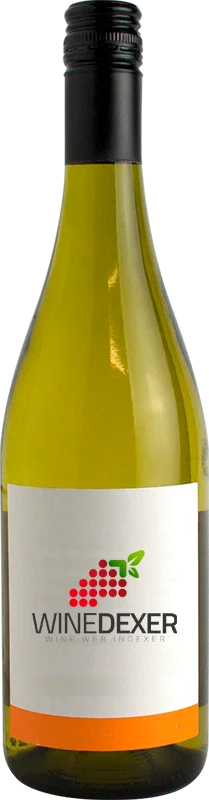
Winery José Maria da FonsecaPeriquita Branco
 White wine


This wine is a blend of 2 varietals which are the Verdelho and the Viognier.
In the mouth this white wine is a .
This wine generally goes well with pork, lean fish or shellfish.

Taste structure of the Periquita Branco from the Winery José Maria da Fonseca
Light | Bold | |
Dry | Sweet | |
Soft | Acidic |
In the mouth the Periquita Branco of Winery José Maria da Fonseca in the region of Península de Setúbal is a .
Wine flavors and olphactive analysis




On the nose the Periquita Branco of Winery José Maria da Fonseca in the region of Península de Setúbal often reveals types of flavors of pineapple, cherry or tropical and sometimes also flavors of citrus, apples or peach.
Food and wine pairings with Periquita Branco
Pairings that work perfectly with Periquita Branco



Original food and wine pairings with Periquita Branco

The Periquita Branco of Winery José Maria da Fonseca matches generally quite well with dishes of pasta, pork or shellfish such as recipes of salmon and spinach lasagna, tagliatelle with carbonara or shrimp and chorizo risotto.
Details and technical informations about Winery José Maria da Fonseca's Periquita Branco.
Discover the grape variety: Verdelho
Structured, taut whites with precise acidity and a slender mouth, featuring aromas of citrus (lemon, orange peel), dried fruits, toasted almond, Mediterranean herbs and pronounced saline notes. A historic pillar of medium-dry Madeira (one of the island's four classic noble grapes) where it develops complex oxidative notes. Also as structured dry whites in Douro DOC and Australia (Hunter Valley). Native Portuguese grape, unrelated to Spanish Verdejo.
Last vintages of this wine

The best vintages of Periquita Branco from Winery José Maria da Fonseca are 2006, 2019, 2018, 2017 and 2016.
Informations about the Winery José Maria da Fonseca
The Winery José Maria da Fonseca is one of of the world's great estates. It offers 106 wines for sale in the of Península de Setúbal to come and discover on site or to buy online.

The wine region of Península de Setúbal
Portuguese peninsula south of Lisbon between the Tagus and Sado estuaries. World-renowned speciality: Moscatel de Setúbal, a golden fortified sweet wine with signature notes of candied orange, dried apricot, honey, fig, currant and sweet spices, long ageing — the rare Roxo version has more floral notes. Also fruity, supple Castelão reds (64%) (blackberry, plum), perfumed Touriga Nacional. Oceanic climate.
The word of the wine: Mercaptan
Organic compound resulting from the combination of alcohol and sulphide (H2S) producing an unpleasant odour reminiscent of town gas and rotten eggs.