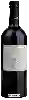
Winery EtuSonrisa Costa de la Luz
 Red wine



In the mouth this red wine is a powerful.
This wine generally goes well with poultry, beef or veal.
The Sonrisa Costa de la Luz of the Winery Etu is in the top 80 of wines of Cádiz.

Taste structure of the Sonrisa Costa de la Luz from the Winery Etu
Light | Bold | |
Smooth | Tannic | |
Dry | Sweet | |
Soft | Acidic |
In the mouth the Sonrisa Costa de la Luz of Winery Etu in the region of Andalousie is a powerful.
Food and wine pairings with Sonrisa Costa de la Luz
Pairings that work perfectly with Sonrisa Costa de la Luz



Original food and wine pairings with Sonrisa Costa de la Luz

The Sonrisa Costa de la Luz of Winery Etu matches generally quite well with dishes of beef, pasta or veal such as recipes of beef fillet in a crust, generous flaky quiche or milanese osso buco.
Details and technical informations about Winery Etu's Sonrisa Costa de la Luz.
Discover the grape variety: Maratheftiko
Structured and intensely coloured age-worthy reds with a deep purple robe, firm tannins and an ample palate, signature aromas of black fruits (blackberry, blackcurrant), spices, Mediterranean garrigue and leather notes. Powerful altitude profile. Considered the finest red grape of Cyprus, experiencing a qualitative renaissance among modern Cypriot winemakers. Autochthonous black grape of Cyprus, grown at altitude in the Troodos Mountains.
Last vintages of this wine
The best vintages of Sonrisa Costa de la Luz from Winery Etu are 2017, 0, 2015
Informations about the Winery Etu
The Winery Etu is one of of the world's greatest estates. It offers 4 wines for sale in the of Cádiz to come and discover on site or to buy online.

The wine region of Cádiz
Andalusian IGP around Jerez, Sanlúcar and Chiclana, mild Atlantic-influenced climate. Star soils: albariza (white chalky marl) and coastal sands. Still wines beyond Sherry. Whites: dry Palomino (apple, citrus, almond, salty iodine), floral Moscatel (grape, flowers), ample Pedro Ximénez, taut Chardonnay.
The wine region of Andalousie
Dry, sun-baked southern Spain, world cradle of fortified and oxidative wines. Sherry from Jerez is the signature: Palomino Fino under a veil of flor yields lively, saline Fino with signature notes of almond, yeast, green apple and a sharp iodine edge; more maritime Manzanilla (Sanlúcar); unveiled Oloroso in grand oxidation (walnut, caramel, tobacco). Pedro Ximénez from Montilla-Moriles: intense dark sweet (fig, raisin, coffee, molasses). Also muscat Málaga.
The word of the wine: Sabrer (champagne)
A cavalier and folkloric way of opening a bottle of champagne by breaking the neck with a sharp blow given with the top of the blade of a sabre.