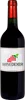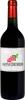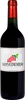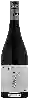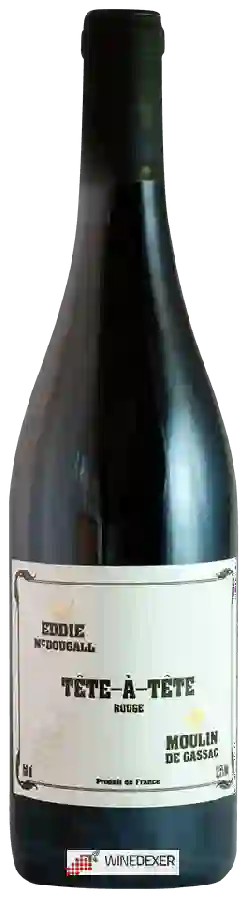
Winery Eddie McDougallTéte-à-Téte Rouge
 Red wine



This wine generally goes well with poultry, beef or lamb.
Wine flavors and olphactive analysis



On the nose the Téte-à-Téte Rouge of Winery Eddie McDougall in the region of Victoria often reveals types of flavors of oak, spices or black fruit.
Food and wine pairings with Téte-à-Téte Rouge
Pairings that work perfectly with Téte-à-Téte Rouge



Original food and wine pairings with Téte-à-Téte Rouge


The Téte-à-Téte Rouge of Winery Eddie McDougall matches generally quite well with dishes of beef, lamb or spicy food such as recipes of quick beef bourguignon, purple leg of lamb with red wine and cranberries or cicadas at the chib.
Details and technical informations about Winery Eddie McDougall's Téte-à-Téte Rouge.
Discover the grape variety: Cabernet-Sauvignon
Cabernet-Sauvignon noir is a grape variety that originated in France (Bordeaux). It produces a variety of grape specially used for wine making. It is rare to find this grape to eat on our tables. This variety of grape is characterized by small bunches, and small grapes. Cabernet-Sauvignon noir can be found in many vineyards: South-West, Loire Valley, Languedoc & Roussillon, Cognac, Bordeaux, Armagnac, Rhone Valley, Provence & Corsica, Savoie & Bugey, Beaujolais.
Last vintages of this wine
The best vintages of Téte-à-Téte Rouge from Winery Eddie McDougall are 2014, 0, 2011
Informations about the Winery Eddie McDougall
The Winery Eddie McDougall is one of of the world's greatest estates. It offers 11 wines for sale in the of North East Victoria to come and discover on site or to buy online.

The wine region of North East Victoria
North East Victoria">Victoria is one of six large wine zones in the Australian state of Victoria. The most famous style of wine to come from North East Victoria are the caramelly, Rich fortified wines from Rutherglen and Glenrowan. Full-bodied, Dry wines made from Shiraz are another specialty of North East Victoria. The zone comprises five regions that have a diverse array of mesoclimates and terroirs.
The wine region of Victoria
Victoria is a relatively small but important Australian wine state. Located in the Southeastern corner of the continent, with a generally cool, ocean-influenced Climate, Victorian wine is remarkably diverse, producing all sorts of wines and styles in different climates. In all, the state covers almost 250,000 square kilometres (over 90,000 square miles) of land (almost the same Size as the US state of Texas), well under a quarter the size of its western neighbour, South Australia, and less than a third the size of New South Wales to the North. As such, Victoria's size - and to some extent, the state's viticultural history - can defy generalization.
The word of the wine: Perlant
Said of a slightly effervescent wine.