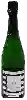
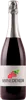
The Château d'Avrille of Loire Valley

The Château d'Avrille is one of the best wineries to follow in Vallée de la Loire.. It offers 28 wines for sale in of Loire Valley to come and discover on site or to buy online.

Looking for the best Château d'Avrille wines in Loire Valley among all the wines in the region? Check out our tops of the best red, white or effervescent Château d'Avrille wines. Also find some food and wine pairings that may be suitable with the wines from this area. Learn more about the region and the Château d'Avrille wines with technical and enological descriptions.
How Château d'Avrille wines pair with each other generally quite well with dishes of beef, pork or game (deer, venison) such as recipes of enchiladas franchouillards, kig ha farz (breton stew) or duck leg confit in cider.
Kingdom of lively, dry whites and fine sparklers. Mineral, taut Sauvignon Blanc (Sancerre, Pouilly-Fumé) with citrus and gunflint notes. Multiform Chenin Blanc (Vouvray, Savennières, Layon): straight dry, floral off-dry or noble sweet honey-quince. Saline, iodised Muscadet (Melon B.
). Fine, crunchy Cabernet Franc reds (Chinon, Bourgueil) on raspberry and ripe pepper. Elegant Crémants. ~70,000 ha, oceanic climate over 800 km.
Wines for fine dining.
How Château d'Avrille wines pair with each other generally quite well with dishes of shellfish, lean fish or fruity desserts such as recipes of yakisoba (fried noodles), fish colombo or rice with milk.
On the nose the white wine of Château d'Avrille. often reveals types of flavors of apples, honey or earth and sometimes also flavors of tree fruit, pineapple or almonds.
Whites with many faces: mineral and taut at Chablis (lemon, green apple, flint), opulent and buttery at Meursault and Puligny-Montrachet (hazelnut, brioche, yellow fruits), tense and chalky in Champagne (Blanc de Blancs). Also vinified sparkling and widely exported (Sonoma, Margaret River, Casablanca). A Burgundian variety, a cross of Pinot Noir × Gouais Blanc, half-sibling of Aligoté.
How Château d'Avrille wines pair with each other generally quite well with dishes of beef, lamb or pork such as recipes of autumn leaves, lamb delight with tomato and cinnamon or spanish paella.
On the nose the pink wine of Château d'Avrille. often reveals types of flavors of red fruit.
Transformation of grapes into must and wine under the effect of alcoholic fermentation. The vinification of red wines takes place in several stages: destemming, crushing, alcoholic fermentation, vatting, running off and maturing.
How Château d'Avrille wines pair with each other generally quite well with dishes of beef, lamb or pork such as recipes of beef tongue with pickle sauce, lamb with vermicelli or quiche lorraine.
Vibrant and fruity rosés with a pale salmon colour, a tender palate and fresh acidity, on aromas of strawberry, raspberry, redcurrant, candy and spring flowers. Light and thirst-quenching finish. Star of Rosé d'Anjou AOC (a pleasing off-dry rosé) and backbone of Loire and Touraine rosés. Occasionally vinified as light reds and sparkling rosés. Native Loire grape from Anjou and Touraine, once the most widely planted variety in Anjou before Cabernet Franc.
How Château d'Avrille wines pair with each other generally quite well with dishes of shellfish, poultry or appetizers and snacks such as recipes of sauerkraut of the sea in casserole, savoyard fondue or cervelat in the alsatian style.
On the nose the sparkling wine of Château d'Avrille. often reveals types of flavors of citrus, apples or earth and sometimes also flavors of tree fruit, citrus fruit.
Said of a frank wine with well-defined characteristics.
Planning a wine route in the of Loire Valley? Here are the wineries to visit and the winemakers to meet during your trip in search of wines similar to Château d'Avrille.
Aromatic, tense whites with a lean palate and firm acidity. Intense aromas of elderflower, passion fruit, mango, gooseberry, citrus and herbaceous boxwood notes reminiscent of Sauvignon Blanc. Mildew- and powdery-mildew-resistant interspecific variety, driving organic viticulture in Germany, Switzerland, Belgium, the Netherlands and Luxembourg. Swiss hybrid created in 1991 by Valentin Blattner.