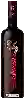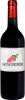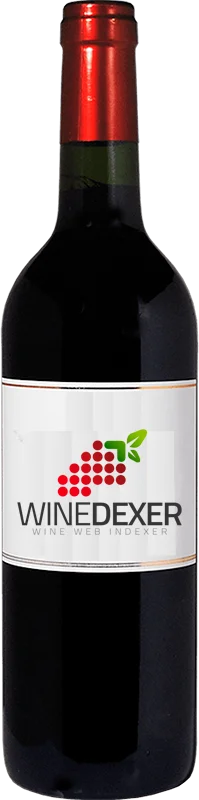
Winery Castel BolovanuCabernet Sauvignon
 Red wine


This wine generally goes well with poultry, beef or lamb.
The Cabernet Sauvignon of the Winery Castel Bolovanu is in the top 10 of wines of Samburesti.

Wine flavors and olphactive analysis




On the nose the Cabernet Sauvignon of Winery Castel Bolovanu in the region of Samburesti often reveals types of flavors of cherry, oaky or blackberry and sometimes also flavors of blueberry, leather or pepper.
Food and wine pairings with Cabernet Sauvignon
Pairings that work perfectly with Cabernet Sauvignon



Original food and wine pairings with Cabernet Sauvignon

The Cabernet Sauvignon of Winery Castel Bolovanu matches generally quite well with dishes of beef, lamb or spicy food such as recipes of simple baked roast beef, royal couscous (lamb, chicken, merguez) or shrimp with curry express.
Details and technical informations about Winery Castel Bolovanu's Cabernet Sauvignon.
Discover the grape variety: Cabernet-Sauvignon
Structured, tannic reds, deeply coloured, with aromas of blackcurrant, blackberry, cedar, tobacco and graphite, underpinned by firm acidity and fine ageing potential. Cornerstone of the great Médoc estates (Pauillac, Saint-Estèphe, Saint-Julien) and signature of Napa Valley, Coonawarra and Maipo. The world's most planted red variety, a natural cross of Cabernet Franc x Sauvignon Blanc born in Bordeaux.
Last vintages of this wine
The best vintages of Cabernet Sauvignon from Winery Castel Bolovanu are 2011, 2017, 2016, 2013 and 2012.
Informations about the Winery Castel Bolovanu
The Winery Castel Bolovanu is one of of the world's greatest estates. It offers 7 wines for sale in the of Samburesti to come and discover on site or to buy online.

The wine region of Samburesti
Romanian DOC of Oltenia on the hills of Sâmburesti (Olt valley), iron-rich stony soils. Cabernet Sauvignon historic signature in red: deep ruby, blackcurrant, black cherry, plum, leather and herbal-spice touch, firm tannins, vigour and superb ageing — a benchmark of Romanian Cabernet. Merlot supple, fine Pinot Noir and Burgund Mare as complements. Terroir introduced in the 19th century by the French.
The word of the wine: Anthocyanins
Phenolic compounds present in the skin of grapes that give colour to red wines during maceration.