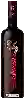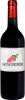
Winery Castel BolovanuRoza
 Pink wine



This wine generally goes well with
The Roza of the Winery Castel Bolovanu is in the top 10 of wines of Samburesti.

Wine flavors and olphactive analysis

On the nose the Roza of Winery Castel Bolovanu in the region of Samburesti often reveals types of flavors of red fruit, floral.
Details and technical informations about Winery Castel Bolovanu's Roza.
Discover the grape variety: Riesling Italico
Lively, aromatic whites for early drinking, with a pale golden hue, light palate and fresh aromas of citrus (lemon), white flowers, white-fleshed fruits (green apple) and herbal notes. Also produced as sparkling (Spumante) and botrytised sweet wines. A pillar of dry Italian whites from Friuli, Veneto and Lombardy. The Italian synonym for Welschriesling, a Central European white grape with no genetic link to German Riesling.
Last vintages of this wine
The best vintages of Roza from Winery Castel Bolovanu are 2019, 2018, 0
Informations about the Winery Castel Bolovanu
The Winery Castel Bolovanu is one of of the world's greatest estates. It offers 7 wines for sale in the of Samburesti to come and discover on site or to buy online.

The wine region of Samburesti
Romanian DOC of Oltenia on the hills of Sâmburesti (Olt valley), iron-rich stony soils. Cabernet Sauvignon historic signature in red: deep ruby, blackcurrant, black cherry, plum, leather and herbal-spice touch, firm tannins, vigour and superb ageing — a benchmark of Romanian Cabernet. Merlot supple, fine Pinot Noir and Burgund Mare as complements. Terroir introduced in the 19th century by the French.
The word of the wine: Paste
Characteristic of a thick and heavy wine with sticky tannins.