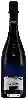
Winery BertolaniGranarossa
 Sparkling wine


This wine generally goes well with pork, poultry or rich fish (salmon, tuna etc).

Food and wine pairings with Granarossa
Pairings that work perfectly with Granarossa



Original food and wine pairings with Granarossa


The Granarossa of Winery Bertolani matches generally quite well with dishes of pork, rich fish (salmon, tuna etc) or mature and hard cheese such as recipes of kale soup, smoked salmon sandwich or savoyard crust or cheese crust.
Details and technical informations about Winery Bertolani's Granarossa.
Discover the grape variety: Sciascinoso
Light, fruity reds best drunk young, with a clear ruby colour, silky tannins and an airy palate with fresh acidity. Signature aromas of cherry, fresh red fruits (raspberry) and subtle volcanic notes. Accessible Vesuvian profile. Often blended with Piedirosso, it features in Lacryma Christi del Vesuvio and Vesuvio DOC. A native black grape of Campania, grown mainly on the slopes of Vesuvius.
Last vintages of this wine
The best vintages of Granarossa from Winery Bertolani are 0
Informations about the Winery Bertolani
The Winery Bertolani is one of of the world's great estates. It offers 26 wines for sale in the of Reggiano to come and discover on site or to buy online.

The wine region of Reggiano
Historic heart of Lambrusco with Modena, Po Valley in Emilia-Romagna. Signature sparkling reds and rosés: Lambrusco Maestri, Marani, Salamino blend with Ancellotta (up to 15%, roundness and color). Generous wines with fine bubbles showing black cherry, blackberry, strawberry, violet and herbal hints, from secco to dolce, light tannins and tangy freshness — moderate alcohol. Historic partner of Emilian cuisine (Parmigiano, charcuterie, lasagne).
The wine region of Emilia-Romagna
Kingdom of Lambrusco: fresh, fruity sparkling reds (blackberry, cherry, violet), from gourmet dry to convivial off-dry, perfect with local charcuterie. World's best-selling sparkling wine on the Emilia side (Sorbara, Grasparossa, Salamino). East, Romagna: supple fruity Sangiovese, Albana (Italy's 1st white DOCG, 1987) ample and almondy. Also red Gutturnio and white Pignoletto.
The word of the wine: Destemming
Operation consisting in eliminating the vegetal part of the bunch supporting the berries, its maceration with the must giving a herbaceous taste to the wine.