The Winery Balma Vénitia of Rhône méridional of Rhone Valley
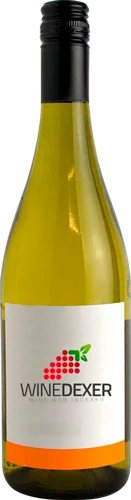
The Winery Balma Vénitia is one of the best wineries to follow in Rhône méridional.. It offers 89 wines for sale in of Rhône méridional to come and discover on site or to buy online.
Looking for the best Winery Balma Vénitia wines in Rhône méridional among all the wines in the region? Check out our tops of the best red, white or effervescent Winery Balma Vénitia wines. Also find some food and wine pairings that may be suitable with the wines from this area. Learn more about the region and the Winery Balma Vénitia wines with technical and enological descriptions.
How Winery Balma Vénitia wines pair with each other generally quite well with dishes of spicy food, sweet desserts or beef such as recipes of jambalaya (louisiana), grandma's cherry clafoutis or beef pot au feu (grandma's style).
On the nose the natural sweet wine of Winery Balma Vénitia. often reveals types of flavors of apricot, earth or microbio and sometimes also flavors of tree fruit, peach or cheese.
Côtes du Rhône is a regional appellation in the Rhône Valley in eastern France. It applies to red, rosé and white wines, and includes more than 170 villages. The area follows the course of the Rhône southward for 125 miles (200 km) from Saint-Cyr-sur-le-Rhône to Avignon. A small portion of the wines in the appellation are white wines.
However, the classic Côtes du Rhône wine is a blend of Fruity, medium-weight reds made from Grenache, Syrah and Mourvèdre. The Côtes du Rhône appellation was introduced in November 1937. Its purpose was to give a general title to good quality Rhone wines from the lesser known and less prestigious wine producing areas of the valley. Côtes du Rhône The landscape of the Côtes du Rhône.
How Winery Balma Vénitia wines pair with each other generally quite well with dishes of beef, lamb or game (deer, venison) such as recipes of barbecued prime rib with coarse salt, lamb collar with mustard or duck with orange.
On the nose the red wine of Winery Balma Vénitia. often reveals types of flavors of cherry, oaky or blackberry and sometimes also flavors of blueberry, red fruit or tobacco. In the mouth the red wine of Winery Balma Vénitia. is a powerful with a nice balance between acidity and tannins.
Mainly cultivated in the Languedoc region, carignan originates from Spain. Because of its very resistant branches, it is often called hardwood. Its bunches are quite large. They are compact and winged with a lignified stalk. The berries are spherical in shape and take on a bluish-black colour. Carignan has a total of 25 approved clones, the best known of which are 274, 65 and 9. The carignan buds at the beginning of June and is protected from spring frosts. It does not reach maturity until the third period. Also, this grape variety needs warmth and sunshine. It appreciates dry and not very fertile soils. Carignan vines can live for more than 100 years. Those that are more than 30 years old produce a better wine. This wine is well coloured. It is generous and powerful at the same time. Pepper, cherry, blackberry, banana, raspberry, almond, prune and violet are some of the aromas that this grape variety gives off.
How Winery Balma Vénitia wines pair with each other generally quite well with dishes of pork, rich fish (salmon, tuna etc) or mature and hard cheese such as recipes of tomatoes stuffed with sausage meat, spaghetti neapolitan style or lasagna of the sea with zucchini.
On the nose the white wine of Winery Balma Vénitia. often reveals types of flavors of peach, honey or earth and sometimes also flavors of microbio, oak or tree fruit. In the mouth the white wine of Winery Balma Vénitia. is a powerful with a nice freshness.
One of the most famous terroirs of the Champagne region, from Épernay to Vertus, mainly devoted to Chardonnay, hence its name. The villages of Chouilly, Cramant, Cuis, Mesnil-sur-Oger, Avize, etc., lying on the chalk, are in a way to Champagne what Meursault, Chablis and Puligny are to Burgundy.
How Winery Balma Vénitia wines pair with each other generally quite well with dishes of pork, rich fish (salmon, tuna etc) or shellfish such as recipes of north welsch, quick smoked salmon croque-monsieur or squid with garlic and parsley.
Muscadelle white is a grape variety that originated in France (Bergerac). It produces a variety of grape specially used for wine making. It is rare to find this grape to eat on our tables. This variety of grape is characterized by bunches of medium size, and grapes of medium caliber. Muscadelle white can be found in several vineyards: South-West, Cognac, Bordeaux, Armagnac, Provence & Corsica, Rhone valley, Loire valley, Savoie & Bugey, Beaujolais, Languedoc & Roussillon.
How Winery Balma Vénitia wines pair with each other generally quite well with dishes of pork, rich fish (salmon, tuna etc) or shellfish such as recipes of truffade (auvergne - cantal - 15), whole salmon in aromatic broth or marinated mussels with parsley.
In Champagne, it is the art of blending still wines from different grape varieties (pinot meunier, pinot noir, chardonnay), from different terroirs (villages, areas) and often from different years. The incorporation of older wines, called reserve wines, allows for greater aromatic complexity.
Planning a wine route in the of Rhône méridional? Here are the wineries to visit and the winemakers to meet during your trip in search of wines similar to Winery Balma Vénitia.
Marsanne is a white grape variety that originated in Montélimar in the Drôme, several centuries ago. Marsanne is also found in Cassis, Savoie, Languedoc-Roussillon and Saint-Péray in the Ardèche, where it produces remarkable sparkling wines. The warm, sunny climate of the Rhone Valley, Languedoc-Roussillon and Provence, as well as the dry, stony soil, are ideal conditions for its development. Its bunches are quite large and provide small, juicy berries that are sensitive to grey rot and strong winds. These two grape varieties complement each other perfectly: together they give light wines with little acidity, aromas of yellow fruit, white fruit and flowers with notes of honey and liquorice. This is for example what the appellations Saint-Péray, Hermitage, Crozes-Hermitage, Saint-Joseph, Côtes-du-Vallée du Rhône, Corbières, or Cassis express... which represent about 700 hectares.