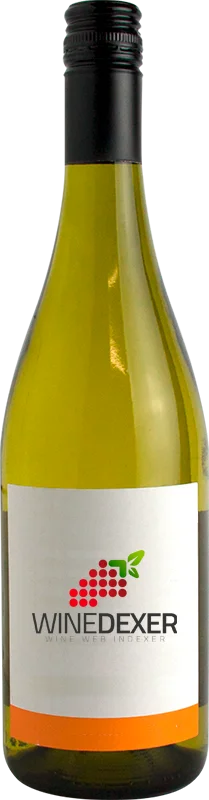
Winery Vittorio GrazianoMalvatico
 White wine
In the mouth this white wine is a powerful.
This wine generally goes well with lean fish, shellfish or mature and hard cheese.

Taste structure of the Malvatico from the Winery Vittorio Graziano
Light | Bold | |
Dry | Sweet | |
Soft | Acidic |
In the mouth the Malvatico of Winery Vittorio Graziano in the region of Emilia-Romagna is a powerful.
Food and wine pairings with Malvatico
Pairings that work perfectly with Malvatico



Original food and wine pairings with Malvatico


The Malvatico of Winery Vittorio Graziano matches generally quite well with dishes of pasta, shellfish or mature and hard cheese such as recipes of lasagna calabrese, squid with garlic and parsley or cordon bleu all house.
Details and technical informations about Winery Vittorio Graziano's Malvatico.
Discover the grape variety: Babic
Powerful, structured reds with an ink-dark robe, firm tannins and a dense, sun-drenched palate of intense ripe blackfruit (blackberry, black cherry), plum, Mediterranean herbs, garrigue, spices and balsamic notes. Fine ageing potential. Star of great Dalmatian coast reds, mainly around Primošten, Šibenik and Skradin on karst soils. Native Croatian grape of Dalmatia, identity signature of the Adriatic littoral.
Informations about the Winery Vittorio Graziano
The Winery Vittorio Graziano is one of of the world's greatest estates. It offers 8 wines for sale in the of Emilia-Romagna to come and discover on site or to buy online.

The wine region of Emilia-Romagna
Kingdom of Lambrusco: fresh, fruity sparkling reds (blackberry, cherry, violet), from gourmet dry to convivial off-dry, perfect with local charcuterie. World's best-selling sparkling wine on the Emilia side (Sorbara, Grasparossa, Salamino). East, Romagna: supple fruity Sangiovese, Albana (Italy's 1st white DOCG, 1987) ample and almondy. Also red Gutturnio and white Pignoletto.
The word of the wine: Persistence
Persistence in the mouth of a wine measured in caudalies.