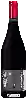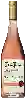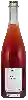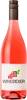
Winery Papa ProvençalCuvée V by James Rosé
 Pink wine
This wine generally goes well with beef and mature and hard cheese.

Food and wine pairings with Cuvée V by James Rosé
Pairings that work perfectly with Cuvée V by James Rosé


Original food and wine pairings with Cuvée V by James Rosé
The Cuvée V by James Rosé of Winery Papa Provençal matches generally quite well with dishes of beef or mature and hard cheese such as recipes of oxtail with seed sauce or bocconcini (veal rolls with ham and comté).
Details and technical informations about Winery Papa Provençal's Cuvée V by James Rosé.
Discover the grape variety: Mourisco
Light, fruity reds with a clear ruby hue, smooth tannins and an airy palate; signature aromas of red fruits (cherry, raspberry), gentle spices and floral notes. Airy style, adding freshness to blends. A traditional component of Douro DOC and Port blends, bringing freshness and aromas to great fortified wines. Native Portuguese black grape from the Douro, cultivated in decreasing quantities but preserved.
Informations about the Winery Papa Provençal
The Winery Papa Provençal is one of of the world's greatest estates. It offers 6 wines for sale in the of Vin de France to come and discover on site or to buy online.

The wine region of Vin de France
The freest category of French wine, the playground of winemakers working outside the AOC. All styles combined: fruity reds, lively or ambitious whites, everyday rosés, unusual blends, natural wines, atypical grapes (Petit Manseng in Languedoc, Riesling in Provence), experimental winemaking (skin-contact whites, no sulphur). Grape and vintage labelling allowed, no geographic constraint. From the pop, convivial cuvée to the artisan gem: freedom in a bottle.
The word of the wine: Pulp
Fleshy and juicy part of the grape berry, it contains sugars, organic acids and various nitrogenous and mineral compounds.