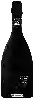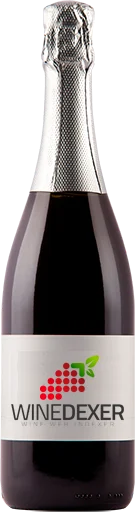
Winery Oinoe10.0 Ambrosia Moscato
 Sparkling wine


This wine generally goes well with sweet desserts
The 10.0 Ambrosia Moscato of the Winery Oinoe is in the top 50 of wines of Colli di Parma.

Food and wine pairings with 10.0 Ambrosia Moscato
Pairings that work perfectly with 10.0 Ambrosia Moscato

Original food and wine pairings with 10.0 Ambrosia Moscato
The 10.0 Ambrosia Moscato of Winery Oinoe matches generally quite well with dishes of sweet desserts such as recipes of meringue for dummies.
Details and technical informations about Winery Oinoe's 10.0 Ambrosia Moscato.
Discover the grape variety: Temjanika
Intensely aromatic muscat whites, with a pale golden robe and an ample palate, with explosive signature aromas of muscat, white flowers (orange blossom, jasmine), exotic fruits and fresh grape. Also as sweet and late-harvest wines. Grown mainly in North Macedonia (Tikveš) and central Serbia, defining the aromatic identity of Balkan white wines. Autochthonous white variety of Serbia and North Macedonia, identical to Tamjanika.
Last vintages of this wine
The best vintages of 10.0 Ambrosia Moscato from Winery Oinoe are 0
Informations about the Winery Oinoe
The Winery Oinoe is one of of the world's great estates. It offers 19 wines for sale in the of Colli di Parma to come and discover on site or to buy online.

The wine region of Colli di Parma
DOC of Emilia-Romagna on the hills south of Parma between Enza and Stirone. Malvasia di Candia Aromatica is the signature frizzante white king: fragrant and taut with white flowers (rose, jasmine), citrus, white peach, herbs and a muscat touch, fresh perlant — the king pairing for Prosciutto di Parma. Lambrusco Maestri as a fruity sparkling red (cherry, raspberry, violet). Cabernet, Merlot, Barbera and Bonarda as still reds.
The wine region of Emilia-Romagna
Kingdom of Lambrusco: fresh, fruity sparkling reds (blackberry, cherry, violet), from gourmet dry to convivial off-dry, perfect with local charcuterie. World's best-selling sparkling wine on the Emilia side (Sorbara, Grasparossa, Salamino). East, Romagna: supple fruity Sangiovese, Albana (Italy's 1st white DOCG, 1987) ample and almondy. Also red Gutturnio and white Pignoletto.
The word of the wine: pH
Short for "hydrogen potential", the pH is a parameter that defines whether a medium is acidic or basic. A high pH gives a soft wine, a very low pH translates into a wine that is too acidic.