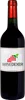
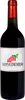
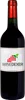
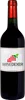
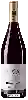
Winery Michael FiebrichEichert Spätburgunder Trocken
 Red wine



In the mouth this red wine is a with a nice freshness.
This wine generally goes well with poultry, beef or veal.
Taste structure of the Eichert Spätburgunder Trocken from the Winery Michael Fiebrich
Light | Bold | |
Smooth | Tannic | |
Dry | Sweet | |
Soft | Acidic |
In the mouth the Eichert Spätburgunder Trocken of Winery Michael Fiebrich in the region of Ahr is a with a nice freshness.
Food and wine pairings with Eichert Spätburgunder Trocken
Pairings that work perfectly with Eichert Spätburgunder Trocken



Original food and wine pairings with Eichert Spätburgunder Trocken

The Eichert Spätburgunder Trocken of Winery Michael Fiebrich matches generally quite well with dishes of beef, veal or game (deer, venison) such as recipes of beef tongue with vegetables and madeira sauce, osso bucco milanese or duck breast with honey-orange sauce.
Details and technical informations about Winery Michael Fiebrich's Eichert Spätburgunder Trocken.
Discover the grape variety: Lignan blanc
It originates from northern Italy (Piedmont) where it is very often grown on trellises in front of houses. In France, this variety was introduced in 1850.
Last vintages of this wine
The best vintages of Eichert Spätburgunder Trocken from Winery Michael Fiebrich are 0
Informations about the Winery Michael Fiebrich
The Winery Michael Fiebrich is one of of the world's greatest estates. It offers 6 wines for sale in the of Ahr to come and discover on site or to buy online.

The wine region of Ahr
Ahr is one of Germany’s least-known and Northernmost wine regions, known for its Pinot Noir reds. It Lies immediately north of the Mosel, and follows the Ahr River in the Final stages of its journey towards its confluence with the Rhein. One might expect a wine region this far north (50°N) to specialize in white wines – like almost every other cool-Climate wine region. After all, neighboring Mosel and Mittelrhein both clearly favor white wines (around 85 percent).
The word of the wine: Muscat blanc à petits grains
A white grape variety cultivated since antiquity on the shores of the Mediterranean, it is considered the noblest of the muscats. It is mainly used to make sweet wines, often from mutage. In France, it is the sole variety used in many natural sweet wines: muscat-de-frontignan, muscat-de-mireval, muscat-de-lunel, muscat-de-saint-jean-de-minervois, muscat-de-beaumes-de-venise, muscat-du-cap-corse. Combined with Muscat d'Alexandrie, it gives Muscat-de-Rivesaltes. It is also used to make sparkling white wines (clairette-de-die; moscato d'asti and asti spumante in Italy) and dry wines (alsace-muscat). Powerfully aromatic and complex, its wines evoke fresh grapes, roses, exotic fruits, citrus fruits and spices.