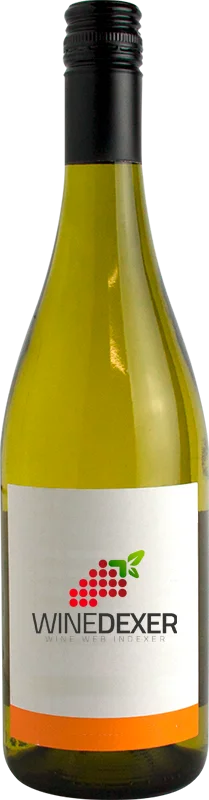
Winery Herdade do MenirDom Gabriel Branco
 White wine
In the mouth this white wine is a .
This wine generally goes well with pork, lean fish or shellfish.

Taste structure of the Dom Gabriel Branco from the Winery Herdade do Menir
Light | Bold | |
Dry | Sweet | |
Soft | Acidic |
In the mouth the Dom Gabriel Branco of Winery Herdade do Menir in the region of Alentejano is a .
Food and wine pairings with Dom Gabriel Branco
Pairings that work perfectly with Dom Gabriel Branco



Original food and wine pairings with Dom Gabriel Branco

The Dom Gabriel Branco of Winery Herdade do Menir matches generally quite well with dishes of pasta, pork or shellfish such as recipes of risotto of coquillettes with chorizo, alsatian sauerkraut or cuttlefish a la plancha.
Details and technical informations about Winery Herdade do Menir's Dom Gabriel Branco.
Discover the grape variety: Freisamer
Rich and full-bodied whites with good ageing potential, a deeper golden colour, a full and creamy palate with moderate acidity and signature aromas of ripe yellow fruits (peach, apricot), honey, hazelnut and buttery notes. A structured and vinous profile. Grown on small surfaces in Germany (Baden) and Switzerland for structured, age-worthy whites. White variety obtained in 1916 in Freiburg im Breisgau (Silvaner × Pinot Gris).
Informations about the Winery Herdade do Menir
The Winery Herdade do Menir is one of of the world's great estates. It offers 37 wines for sale in the of Alentejano to come and discover on site or to buy online.

The wine region of Alentejano
Star of southern Portugal's great reds, sunny and opulent wines. Typical blends: round fruity Aragonez (Tempranillo), spicy Trincadeira, Touriga Nacional (black fruits, violet), deep teinturier Alicante Bouschet, juicy Castelão. Fleshy reds with notes of plum, black cherry, cocoa and sweet spices, melted tannins. Ample fresh Antão Vaz and Arinto whites.
The word of the wine: Leaflet
Small barrel with a capacity of 112 to 136 litres depending on the region.