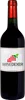
Winery Le CasetteLambrusco Graspa Rossa di Castelvertro
 Red wine
In the mouth this red wine is a .
This wine generally goes well with poultry, beef or veal.
The Lambrusco Graspa Rossa di Castelvertro of the Winery Le Casette is in the top 40 of wines of Marche.

Taste structure of the Lambrusco Graspa Rossa di Castelvertro from the Winery Le Casette
Light | Bold | |
Smooth | Tannic | |
Dry | Sweet | |
Soft | Acidic |
In the mouth the Lambrusco Graspa Rossa di Castelvertro of Winery Le Casette in the region of Marche is a .
Food and wine pairings with Lambrusco Graspa Rossa di Castelvertro
Pairings that work perfectly with Lambrusco Graspa Rossa di Castelvertro



Original food and wine pairings with Lambrusco Graspa Rossa di Castelvertro

The Lambrusco Graspa Rossa di Castelvertro of Winery Le Casette matches generally quite well with dishes of beef, pasta or veal such as recipes of beef bourguignon with cookéo, pasta with auvergne blue cheese or blanquette of veal.
Details and technical informations about Winery Le Casette's Lambrusco Graspa Rossa di Castelvertro.
Discover the grape variety: Goron de Bovernier
Structured and elegant reds with a deep purple colour, firm yet melted tannins and a full palate with preserved acidity, offering signature aromas of red fruits (cherry, raspberry), spices and fresh alpine notes. A modest ageing profile. Preserved for its heritage value, it produces artisan high-altitude cuvées by a few Valais winemakers attached to rare varieties. Swiss black autochthonous variety from Valais, grown almost exclusively in Bovernier.
Informations about the Winery Le Casette
The Winery Le Casette is one of of the world's greatest estates. It offers 6 wines for sale in the of Marche to come and discover on site or to buy online.

The wine region of Marche
Italian star of Verdicchio: exceptional age-worthy whites, straight and mineral with signature notes of green almond, lemon, green apple, dry herbs and a slightly bitter finish. Two DOCGs: Castelli di Jesi (coastal, airy) and Matelica (inland, more concentrated). Mediterranean reds: fleshy Montepulciano in Rosso Conero near Ancona, supple Sangiovese. Also fresh Pecorino and Passerina.
The word of the wine: Harsh
Term describing the state of tannins with an astringency that lacks finesse.