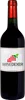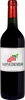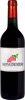
Winery Le CasetteTri Re Lambrusco Grasparossa di Castelvetro
 wine
wine
This wine generally goes well with
The Tri Re Lambrusco Grasparossa di Castelvetro of the Winery Le Casette is in the top 0 of wines of Emilia-Romagna.

Details and technical informations about Winery Le Casette's Tri Re Lambrusco Grasparossa di Castelvetro.
Discover the grape variety: Vilana
Dry, vivid and fresh whites with a pale golden robe, slender mouthfeel and preserved acidity, with delicate aromas of citrus (lemon, grapefruit), green apple, pear, white flowers, Mediterranean herbs and saline mineral notes. Thirst-quenching profile and aromatic finesse. Star of Peza PDO in central Crete (Heraklion), often blended with Vidiano and Thrapsathiri. An autochthonous Greek Cretan variety, signature of easy-drinking island whites and the viticultural revival of Crete.
Informations about the Winery Le Casette
The Winery Le Casette is one of of the world's greatest estates. It offers 6 wines for sale in the of Emilia-Romagna to come and discover on site or to buy online.

The wine region of Emilia-Romagna
Kingdom of Lambrusco: fresh, fruity sparkling reds (blackberry, cherry, violet), from gourmet dry to convivial off-dry, perfect with local charcuterie. World's best-selling sparkling wine on the Emilia side (Sorbara, Grasparossa, Salamino). East, Romagna: supple fruity Sangiovese, Albana (Italy's 1st white DOCG, 1987) ample and almondy. Also red Gutturnio and white Pignoletto.
The word of the wine: Saignée (rosé de)
Rosé wine made from a vat of black grapes after a short maceration period.