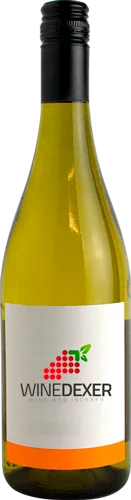
The Winery Kissattila of Mátra of Eger

The Winery Kissattila is one of the best wineries to follow in Mátra.. It offers 13 wines for sale in of Mátra to come and discover on site or to buy online.
Looking for the best Winery Kissattila wines in Mátra among all the wines in the region? Check out our tops of the best red, white or effervescent Winery Kissattila wines. Also find some food and wine pairings that may be suitable with the wines from this area. Learn more about the region and the Winery Kissattila wines with technical and enological descriptions.
How Winery Kissattila wines pair with each other generally quite well with dishes of mature and hard cheese, vegetarian or poultry such as recipes of tuna-kiri crisps, quiche with leeks and fresh salmon from flo or fricadella.
On the nose the white wine of Winery Kissattila. often reveals types of flavors of microbio, oak or non oak and sometimes also flavors of earth, vegetal or tree fruit.
The wine region of Mátra is located in the region of Eger of Hungary. Wineries and vineyards like the Domaine N. A. G.
Borművek or the Domaine Bárdos es Fia produce mainly wines white, red and pink. The most planted grape varieties in the region of Mátra are Cabernet franc, Cabernet-Sauvignon and Chardonnay, they are then used in wines in blends or as a single variety. On the nose of Mátra often reveals types of flavors of tree fruit, earth or spices and sometimes also flavors of floral, tropical fruit or citrus fruit. We currently count 38 estates and châteaux in the of Mátra, producing 192 different wines in conventional, organic and biodynamic agriculture.
The wines of Mátra go well with generally quite well with dishes of beef, lamb or spicy food.
How Winery Kissattila wines pair with each other generally quite well with dishes of beef, lamb or spicy food such as recipes of meat and goat pie, tajine of merguez and potatoes or butternut soufflé.
On the nose the red wine of Winery Kissattila. often reveals types of flavors of non oak, earth or oak and sometimes also flavors of spices, black fruit or red fruit.
White muscat is a white grape variety of Greek origin. Present in several Mediterranean vineyards, it has several synonyms such as muscat de Die, muscat blanc and frontignac. In France, it occupies a little less than 7,000 ha out of a total of 45,000 ha worldwide. Its young shoots are downy. Its youngest leaves are shiny, bronzed and scabrous. The berries and bunches of this variety are all medium-sized. The flesh of the berries is juicy, sweet and firm. Muscat à petits grains has a second ripening period and buds early in the year. It is moderately vigorous and must be pruned short. It likes poor, stony slopes. This variety is often exposed to spring frosts. It fears mildew, wasps, grape worms, court-noué, grey rot and powdery mildew. Muscat à petits grains is used to make rosé wines and dry white wines. Orange, brown sugar, barley sugar and raisins are the known aromas of these wines.
How Winery Kissattila wines pair with each other generally quite well with dishes such as recipes .
On the nose the pink wine of Winery Kissattila. often reveals types of flavors of red fruit.
Champagne made from black grapes (pinot noir and/or meunier) only.
Planning a wine route in the of Mátra? Here are the wineries to visit and the winemakers to meet during your trip in search of wines similar to Winery Kissattila.
Müller-Thurgau shows the character of its noble origins. This Swiss white grape variety is a cross between the royal madeleine and the riesling. The idea that the latter was crossed with the sylvaner is irrelevant. The variety can be recognized by its vigorous character and its semi-erect habit. Preferring rich soils and short prunings, the plant sees its buds open quite early. The buds are cottony and soft green in color. The slightly embossed and tormented blade, with 5 to 7 lobes, makes it possible to distinguish the adult leaves. The clusters appear compact, pyramidal or cylindrical in shape and small to medium in size. The flavour of the Müller-Turgau berries is reminiscent of Muscat. The juicy and crunchy pulp is revealed under a greyish skin. When ripe, the fruit has a mottled shell on a golden yellow background. Switzerland prefers to extract the juice from this variety. The wine made from it is rather heavy and does not keep well.