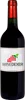
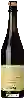
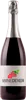
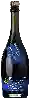
Winery Francesco VezzelliMoRosa Rosé Brut
 Sparkling wine



This wine generally goes well with pork, poultry or rich fish (salmon, tuna etc).

Food and wine pairings with MoRosa Rosé Brut
Pairings that work perfectly with MoRosa Rosé Brut



Original food and wine pairings with MoRosa Rosé Brut


The MoRosa Rosé Brut of Winery Francesco Vezzelli matches generally quite well with dishes of pork, rich fish (salmon, tuna etc) or mature and hard cheese such as recipes of baked dumplings, papillotes of simple salmon steaks or the michon at the county.
Details and technical informations about Winery Francesco Vezzelli's MoRosa Rosé Brut.
Discover the grape variety: Tamjanika Bela
Intensely aromatic muscat whites with a pale golden robe, an ample palate, and explosive signature aromas of muscat, white flowers (orange blossom, jasmine), exotic fruits and fresh grapes. Also as sweet and late-harvest styles. Grown in central Serbia and North Macedonia (Tikves), it defines the aromatic identity of modern Balkan whites. Autochthonous white grape of Serbia and North Macedonia, genetically related to Muscat Blanc a Petits Grains.
Last vintages of this wine
The best vintages of MoRosa Rosé Brut from Winery Francesco Vezzelli are 0
Informations about the Winery Francesco Vezzelli
The Winery Francesco Vezzelli is one of of the world's greatest estates. It offers 13 wines for sale in the of Lambrusco di Sorbara to come and discover on site or to buy online.

The wine region of Lambrusco di Sorbara
The finest and most elegant Lambrusco in Emilia-Romagna, north of Modena. Signature pale red or rosé sparklers with wild strawberry, raspberry, red cherry, redcurrant, citrus and floral touch (violet), fine bubble and lively acidity — dry (brut) or slightly amabile. Fertile sandy-clay soils between the Secchia and Panaro rivers, natural millerandage concentrates the berries. Fresh and thirst-quenching palate — ideal aperitif or companion for Modena charcuterie.
The wine region of Emilia-Romagna
Kingdom of Lambrusco: fresh, fruity sparkling reds (blackberry, cherry, violet), from gourmet dry to convivial off-dry, perfect with local charcuterie. World's best-selling sparkling wine on the Emilia side (Sorbara, Grasparossa, Salamino). East, Romagna: supple fruity Sangiovese, Albana (Italy's 1st white DOCG, 1987) ample and almondy. Also red Gutturnio and white Pignoletto.
The word of the wine: Dry extract
Non-liquid constituents of wine.