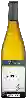
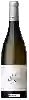
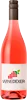
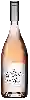
The Château Saint Jacques d'Albas of Languedoc-Roussillon
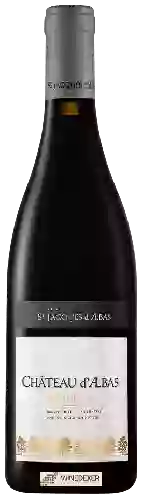
Château Saint Jacques d'Albas
The winery offers 10 different wines
3.7


Note - 1Note - 1Note - 1Note - 0.5Note - 0
Its wines get an average rating of 3.7.
It is ranked in the top 116 of the estates of Languedoc-Roussillon.
It is located in Languedoc-Roussillon
Find the Château Saint Jacques d'Albas on Facebook

The Château Saint Jacques d'Albas is one of the best wineries to follow in Languedoc-Roussillon.. It offers 10 wines for sale in of Languedoc-Roussillon to come and discover on site or to buy online.
Top Château Saint Jacques d'Albas wines

Looking for the best Château Saint Jacques d'Albas wines in Languedoc-Roussillon among all the wines in the region? Check out our tops of the best red, white or effervescent Château Saint Jacques d'Albas wines. Also find some food and wine pairings that may be suitable with the wines from this area. Learn more about the region and the Château Saint Jacques d'Albas wines with technical and enological descriptions.

The top red wines of Château Saint Jacques d'Albas

Food and wine pairings with a red wine of Château Saint Jacques d'Albas

How Château Saint Jacques d'Albas wines pair with each other generally quite well with dishes of beef, pasta or veal such as recipes of beef lark, pork filet mignon with foie gras and rosemary or veal chop with rosemary.

Organoleptic analysis of red wines of Château Saint Jacques d'Albas

On the nose the red wine of Château Saint Jacques d'Albas. often reveals types of flavors of cherry, oaky or smoke and sometimes also flavors of blackberry, red fruit or black cherries. In the mouth the red wine of Château Saint Jacques d'Albas. is a powerful with a nice balance between acidity and tannins.

The best vintages in the red wines of Château Saint Jacques d'Albas

  • 2007With an average score of 4.20/5
  • 2008With an average score of 4.10/5
  • 2009With an average score of 3.93/5
  • 2010With an average score of 3.90/5
  • 2012With an average score of 3.81/5
  • 2006With an average score of 3.80/5

The grape varieties most used in the red wines of Château Saint Jacques d'Albas.

  • Shiraz/Syrah
  • Grenache
  • Carignan
  • Mourvedre
  • Cabernet Sauvignon

Discovering the wine region of Languedoc-Roussillon

Largest single French vineyard, dominated by sunny, generous reds. Spicy Syrah, candied Grenache (ripe fruit, garrigue), structured Carignan, deep Mourvèdre, supple Cinsault. Stars: structured Corbières, Minervois, Faugères, Saint-Chinian; round Côtes-du-Roussillon. Legendary vins doux naturels: Banyuls and Maury (fortified Grenache) with notes of cocoa, fig, prune.

Iodised Picpoul whites, floral Muscat de Rivesaltes. ~25% of the French vineyard across 4 departments.

The top white wines of Château Saint Jacques d'Albas

Food and wine pairings with a white wine of Château Saint Jacques d'Albas

How Château Saint Jacques d'Albas wines pair with each other generally quite well with dishes of pasta, vegetarian or poultry such as recipes of pork filet mignon with foie gras and rosemary, magic cake cheese quiche or chicken and onion quiche.

Organoleptic analysis of white wines of Château Saint Jacques d'Albas

On the nose the white wine of Château Saint Jacques d'Albas. often reveals types of flavors of citrus, apples or green apple and sometimes also flavors of apricot, white peach or stone. In the mouth the white wine of Château Saint Jacques d'Albas. is a powerful with a nice freshness.

The best vintages in the white wines of Château Saint Jacques d'Albas

  • 2015With an average score of 3.80/5
  • 2021With an average score of 3.70/5
  • 2017With an average score of 3.70/5
  • 0With an average score of 3.60/5
  • 2016With an average score of 3.30/5

The grape varieties most used in the white wines of Château Saint Jacques d'Albas.

  • Viognier
  • Roussanne
  • Vermentino

Discover the grape variety: Viognier

Opulent, heady whites, rich and silky, with intense aromas of apricot, yellow peach, mango, violet, honeysuckle and musky, honeyed notes. Discreet acidity, creamy finish. Star of Condrieu AOC and Château-Grillet AOC, co-vinified in Côte-Rôtie with Syrah (up to 20%). Widely exported to California (Central Coast), Australia (Eden Valley) and Languedoc. A Rhône variety.

The top pink wines of Château Saint Jacques d'Albas

Food and wine pairings with a pink wine of Château Saint Jacques d'Albas

How Château Saint Jacques d'Albas wines pair with each other generally quite well with dishes of pasta, vegetarian or appetizers and snacks such as recipes of soy and shrimp noodles, magic cake cheese quiche or bruschetta with mozzarella.

Organoleptic analysis of pink wines of Château Saint Jacques d'Albas

On the nose the pink wine of Château Saint Jacques d'Albas. often reveals types of flavors of minerality, strawberries or mint and sometimes also flavors of earth, tree fruit or spices. In the mouth the pink wine of Château Saint Jacques d'Albas. is a with a nice freshness.

The best vintages in the pink wines of Château Saint Jacques d'Albas

  • 2015With an average score of 4.20/5
  • 2019With an average score of 4.10/5
  • 2017With an average score of 4.10/5
  • 2018With an average score of 3.90/5
  • 2016With an average score of 3.90/5

The grape varieties most used in the pink wines of Château Saint Jacques d'Albas.

  • Grenache
  • Roussanne

The word of the wine: Barrel

A wooden barrel made of oak that varies in size depending on the region and is used to age wines. Some white wines are vinified and aged in barrels.

Discover other wineries and winemakers neighboring the Château Saint Jacques d'Albas

Planning a wine route in the of Languedoc-Roussillon? Here are the wineries to visit and the winemakers to meet during your trip in search of wines similar to Château Saint Jacques d'Albas.

Discover the grape variety: Roussanne

Aromatic and elegant whites, rich yet lifted by fine freshness, with hawthorn, honeysuckle, apricot, pear, honey, green tea, mineral and herbal notes. Fine ageing potential. Key variety in the great whites of the northern Rhône (Hermitage, Crozes-Hermitage, Saint-Joseph, Saint-Péray) blended with marsanne, and one of the 13 permitted grapes at Châteauneuf-du-Pape. Native Rhône variety.