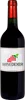
Winery Fernando AlbertoCasoio Marche Rosso
 Red wine


In the mouth this red wine is a powerful with a nice balance between acidity and tannins.
This wine generally goes well with poultry, beef or veal.
The Casoio Marche Rosso of the Winery Fernando Alberto is in the top 10 of wines of Marche.

Taste structure of the Casoio Marche Rosso from the Winery Fernando Alberto
Light | Bold | |
Smooth | Tannic | |
Dry | Sweet | |
Soft | Acidic |
In the mouth the Casoio Marche Rosso of Winery Fernando Alberto in the region of Marche is a powerful with a nice balance between acidity and tannins.
Food and wine pairings with Casoio Marche Rosso
Pairings that work perfectly with Casoio Marche Rosso



Original food and wine pairings with Casoio Marche Rosso

The Casoio Marche Rosso of Winery Fernando Alberto matches generally quite well with dishes of beef, pasta or veal such as recipes of pork tongue with bacon and onions, chinese fried shrimp ravioli or veal shank in a pot au feu with star anise.
Details and technical informations about Winery Fernando Alberto's Casoio Marche Rosso.
Discover the grape variety: Roussanne
Aromatic and elegant whites, rich yet lifted by fine freshness, with hawthorn, honeysuckle, apricot, pear, honey, green tea, mineral and herbal notes. Fine ageing potential. Key variety in the great whites of the northern Rhône (Hermitage, Crozes-Hermitage, Saint-Joseph, Saint-Péray) blended with marsanne, and one of the 13 permitted grapes at Châteauneuf-du-Pape. Native Rhône variety.
Last vintages of this wine
The best vintages of Casoio Marche Rosso from Winery Fernando Alberto are 0
Informations about the Winery Fernando Alberto
The Winery Fernando Alberto is one of of the world's greatest estates. It offers 2 wines for sale in the of Marche to come and discover on site or to buy online.

The wine region of Marche
Italian star of Verdicchio: exceptional age-worthy whites, straight and mineral with signature notes of green almond, lemon, green apple, dry herbs and a slightly bitter finish. Two DOCGs: Castelli di Jesi (coastal, airy) and Matelica (inland, more concentrated). Mediterranean reds: fleshy Montepulciano in Rosso Conero near Ancona, supple Sangiovese. Also fresh Pecorino and Passerina.
The word of the wine: Marc
Solid part resulting from the pressing of the grape (stalks, pips, skins).