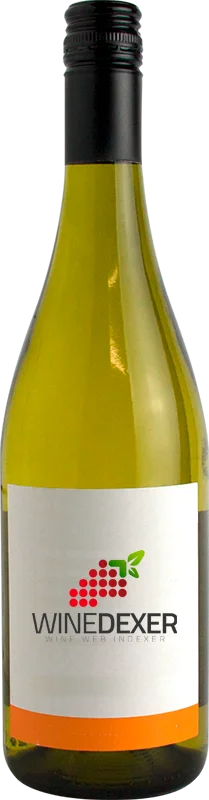
Domaine des Abeilles d'OrDouceur d'Automne
 Sweet wine


This wine generally goes well with vegetarian, poultry or rich fish (salmon, tuna etc).

Wine flavors and olphactive analysis

Food and wine pairings with Douceur d'Automne
Pairings that work perfectly with Douceur d'Automne



Original food and wine pairings with Douceur d'Automne


The Douceur d'Automne of Domaine des Abeilles d'Or matches generally quite well with dishes of rich fish (salmon, tuna etc), shellfish or sweet desserts such as recipes of vitello tonnato, thai shrimp soup (tom yam goong) or chantilly cream.
Details and technical informations about Domaine des Abeilles d'Or's Douceur d'Automne.
Discover the grape variety: Schönburger
Supple and aromatic reds to drink young with a clear ruby robe, soft tannins and an airy palate with fresh acidity, signature musky aromas, red fruits (cherry, raspberry) and floral notes. Fresh northern profile. Grown in Germany, England and Canada, well-adapted to northern viticultural climates, offering accessible reds. German black grape obtained in 1979 at Geisenheim (Pinot Noir x Pirovano 1).
Last vintages of this wine
The best vintages of Douceur d'Automne from Domaine des Abeilles d'Or are 0
Informations about the Domaine des Abeilles d'Or
The Domaine des Abeilles d'Or is one of of the world's greatest estates. It offers 24 wines for sale in the of Genève to come and discover on site or to buy online.

The wine region of Genève
Switzerland's 3rd wine canton, a modern and diverse expression. Fleshy Gamay as the signature red: fruity and crunchy with notes of cherry, raspberry and sweet spices, supple tannins. Fine Pinot Noir (undergrowth, red fruits), spicy, dense Gamaret, deep Garanoir. Whites: historic Chasselas (mineral and floral), ample Chardonnay (pear, brioche), round Pinot Blanc.
The word of the wine: Dame-jeanne
Large bottle or wicker-clad carboy used to transport wine and store old spirits before blending.