The Domaine de la Madonne of Picpoul de Pinet of Languedoc-Roussillon
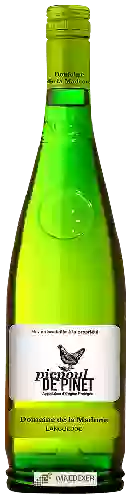
The Domaine de la Madonne is one of the largest wineries in the world. It offers 1 wines for sale in of Picpoul de Pinet to come and discover on site or to buy online.

Looking for the best Domaine de la Madonne wines in Picpoul de Pinet among all the wines in the region? Check out our tops of the best red, white or effervescent Domaine de la Madonne wines. Also find some food and wine pairings that may be suitable with the wines from this area. Learn more about the region and the Domaine de la Madonne wines with technical and enological descriptions.
How Domaine de la Madonne wines pair with each other generally quite well with dishes of pasta, vegetarian or poultry such as recipes of pasta with vegetables, leek, goat cheese and bacon quiche or pad thai.
On the nose the white wine of Domaine de la Madonne. often reveals types of flavors of citrus, apples or green apple and sometimes also flavors of lime, minerality or lemon. In the mouth the white wine of Domaine de la Madonne. is a .
Largest still white AOC of Languedoc (AOC 2013) on the Thau lagoon: exclusive signature Piquepoul Blanc as king white — pale robe and signature lively profile with floral and citrus aromas (lemon, grapefruit, green apple, pear), delicate acacia and hawthorn touch, signature dynamic nervy palate with bright acidity and saline finish. Late-ripening variety with golden, easily falling berries. AOC, royal pairing with Bouzigues oysters.
Planning a wine route in the of Picpoul de Pinet? Here are the wineries to visit and the winemakers to meet during your trip in search of wines similar to Domaine de la Madonne.
Colourful, fruity reds to drink young, with a sustained ruby colour, moderate tannins and an airy palate, with signature aromas of red and black fruits (cherry, blackberry) and simple notes. Accessible profile for cold climates. Grown mainly in Canada (Quebec, Nova Scotia) and the north-eastern United States for continental cold-climate vineyards. A black hybrid bred in 1911 by Eugène Kuhlmann in Alsace, cold and mildew-resistant.


