The Domaine Azan of Picpoul de Pinet of Languedoc-Roussillon
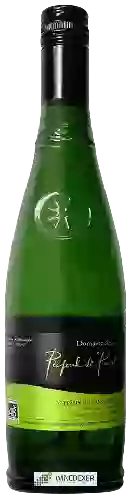
The Domaine Azan is one of the world's great estates. It offers 1 wines for sale in of Picpoul de Pinet to come and discover on site or to buy online.
Looking for the best Domaine Azan wines in Picpoul de Pinet among all the wines in the region? Check out our tops of the best red, white or effervescent Domaine Azan wines. Also find some food and wine pairings that may be suitable with the wines from this area. Learn more about the region and the Domaine Azan wines with technical and enological descriptions.
How Domaine Azan wines pair with each other generally quite well with dishes of pasta, vegetarian or poultry such as recipes of meat and cheese pie, vegan leek and tofu quiche or chicken chop suey.
On the nose the white wine of Domaine Azan. often reveals types of flavors of earth, tree fruit. In the mouth the white wine of Domaine Azan. is a powerful.
The wine region of Picpoul de Pinet is located in the region of Languedoc of Languedoc-Roussillon of France. Wineries and vineyards like the Domaine Julie Benau or the Domaine Domitia produce mainly wines white, red and sparkling. The most planted grape varieties in the region of Picpoul de Pinet are Chardonnay, Mourvèdre and Folle blanche, they are then used in wines in blends or as a single variety. On the nose of Picpoul de Pinet often reveals types of flavors of grapefruit, salt or fennel and sometimes also flavors of banana, guava or passion fruit.
In the mouth of Picpoul de Pinet is a with a nice freshness. We currently count 139 estates and châteaux in the of Picpoul de Pinet, producing 230 different wines in conventional, organic and biodynamic agriculture. The wines of Picpoul de Pinet go well with generally quite well with dishes of pasta, vegetarian or poultry.
Planning a wine route in the of Picpoul de Pinet? Here are the wineries to visit and the winemakers to meet during your trip in search of wines similar to Domaine Azan.
This grape variety was originally cultivated in the south of Italy, in the region of Puglia to be precise. Today, it can be found in many other Italian wine regions, including Abruzzo, Lazio, Marche, Emilia-Romagna, etc. In France, it is almost unknown. It certainly has many relatives of Italian origin, known or less known, without us being able to cite them with certainty, especially since we find identical synonyms for them. However, we can affirm that the Trebbiano of Abruzzo is not the white Bombino and that the black Bombino is not related to the white.


