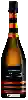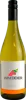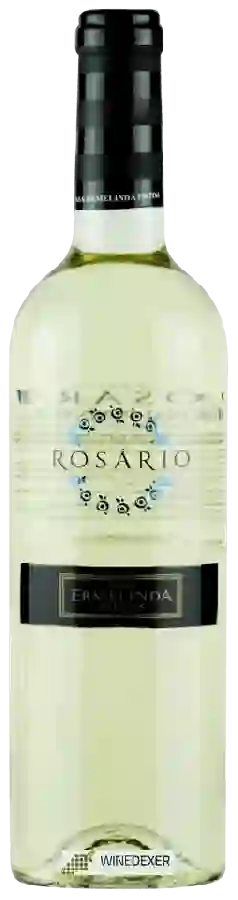
Winery Casa Ermelinda FreitasRosário Branco
 White wine



In the mouth this white wine is a .
This wine generally goes well with pork, lean fish or shellfish.

Taste structure of the Rosário Branco from the Winery Casa Ermelinda Freitas
Light | Bold | |
Dry | Sweet | |
Soft | Acidic |
In the mouth the Rosário Branco of Winery Casa Ermelinda Freitas in the region of Península de Setúbal is a .
Food and wine pairings with Rosário Branco
Pairings that work perfectly with Rosário Branco



Original food and wine pairings with Rosário Branco

The Rosário Branco of Winery Casa Ermelinda Freitas matches generally quite well with dishes of pasta, pork or shellfish such as recipes of smoked salmon pasta gratin, melt-in-the-mouth pork tenderloin casserole or natural breton lobster.
Details and technical informations about Winery Casa Ermelinda Freitas's Rosário Branco.
Discover the grape variety: Fernao Pires
Aromatic and lively whites with a tender palate and fresh acidity, on intense aromas of white flowers (orange blossom, acacia), citrus, white peach, muscat and spiced notes. Made as dry whites, popular off-dry styles and in sparkling wines from Bairrada. Also called Maria Gomes in Bairrada DOC. Widely grown in Ribatejo, Tejo DOC and Lisboa, one of Portugal's most planted white grapes. Native Portuguese variety.
Last vintages of this wine
The best vintages of Rosário Branco from Winery Casa Ermelinda Freitas are 2018, 2017, 2015, 0 and 2019.
Informations about the Winery Casa Ermelinda Freitas
The Winery Casa Ermelinda Freitas is one of of the world's great estates. It offers 106 wines for sale in the of Península de Setúbal to come and discover on site or to buy online.

The wine region of Península de Setúbal
Portuguese peninsula south of Lisbon between the Tagus and Sado estuaries. World-renowned speciality: Moscatel de Setúbal, a golden fortified sweet wine with signature notes of candied orange, dried apricot, honey, fig, currant and sweet spices, long ageing — the rare Roxo version has more floral notes. Also fruity, supple Castelão reds (64%) (blackberry, plum), perfumed Touriga Nacional. Oceanic climate.
The word of the wine: Sparkling
Equivalent to effervescent, this term is used among others to designate the "natural sparkling wines" produced in the Montlouis appellation.