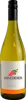
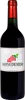
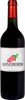
The Winery Cambridge Road of North Island
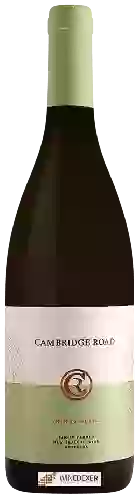
The Winery Cambridge Road is one of the best wineries to follow in North Island.. It offers 31 wines for sale in of North Island to come and discover on site or to buy online.
Looking for the best Winery Cambridge Road wines in North Island among all the wines in the region? Check out our tops of the best red, white or effervescent Winery Cambridge Road wines. Also find some food and wine pairings that may be suitable with the wines from this area. Learn more about the region and the Winery Cambridge Road wines with technical and enological descriptions.
How Winery Cambridge Road wines pair with each other generally quite well with dishes of pork, rich fish (salmon, tuna etc) or vegetarian such as recipes of suckling pig leg in the oven, round zucchini stuffed with tuna or quiche lorraine.
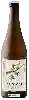
On the nose the white wine of Winery Cambridge Road. often reveals types of flavors of non oak, earth or microbio and sometimes also flavors of vegetal, oak or tree fruit. In the mouth the white wine of Winery Cambridge Road. is a powerful with a nice freshness.
New-zealand/north-island/northland">Northland, as its name suggests, is New Zealand's northernmost wine-producing region, around four hours' drive northwest of the country's largest city, Auckland. Most of the Northland region's wineries are situated on the east coast, particularly around the Bay of Islands and the Karikari Pensinula, with another cluster on the west coast near Kaitaia.
The region's red wines are mostly produced from Syrah, Pinotage">Pinotage and the Hybrid variety Chambourcin. Chardonnay leads the way for white wine grape varieties; Pinot Gris, Viognier and Sauvignon Blanc are among the other varieties cultivated here.
Although Northland's contribution to the New Zealand wine industry is minuscule (in 2013, the region crushed 130 metric tonnes of grapes, compared to Marlborough's 250,000), it is important historically. The first vines were planted in the Bay of Islands in 1819, a Full 30 years before missionaries began planting in the Hawkes Bay. The founding father of viticulture in the Antipodes, James Busby, had a Vineyard at his house at Waitangi before going on to establish the Hunter Valley wine region in Australia. This Waitangi property is also where New Zealand's founding document, the Treaty of Waitangi, was signed in 1840.
In the late 1800s, kauri-gum diggers from Croatia began to move into the area in search of fortune, bringing winemaking traditions from their homeland. While viticulture in the region has never been viable on a large scale, Northland's boutique wine industry is growing fast, with the Northland Wine Growers Association (formed in 2007) boasting a membership of more than 50.
Northland's sub-tropical Climate is unique in New Zealand. Warm, humid summers and rainy winters are challenging for growers, who must employ careful vineyard techniques to avoid mildew and rot.
How Winery Cambridge Road wines pair with each other generally quite well with dishes of beef, veal or game (deer, venison) such as recipes of beef strogonoff, old-fashioned pork roll or rabbit in sauce.
On the nose the red wine of Winery Cambridge Road. often reveals types of flavors of non oak, earth or microbio and sometimes also flavors of oak, spices or red fruit. In the mouth the red wine of Winery Cambridge Road. is a with a nice freshness.
White Riesling is a grape variety that originated in France (Alsace). It produces a variety of grape specially used for the elaboration of wine. It is rare to find this grape to eat on our tables. This variety of grape is characterized by small bunches, and small grapes. White Riesling can be found in many vineyards: Alsace, Loire Valley, Languedoc & Roussillon, Lorraine, Provence & Corsica, Rhone Valley, Savoie & Bugey, Beaujolais, South West.
How Winery Cambridge Road wines pair with each other generally quite well with dishes of veal, pork or game (deer, venison) such as recipes of stuffed squid in the sétoise sauce, summer orecchiette or pheasant with mushrooms and tomatoes.
On the nose the sweet wine of Winery Cambridge Road. often reveals types of flavors of earth, oak or tree fruit and sometimes also flavors of citrus fruit, tropical fruit.
See lledoner pelut.
How Winery Cambridge Road wines pair with each other generally quite well with dishes of rich fish (salmon, tuna etc), shellfish or mature and hard cheese such as recipes of sliced tuna with tomato sauce, mussel clusters or walnut and roquefort tart.
On the nose the sparkling wine of Winery Cambridge Road. often reveals types of flavors of earth, microbio or tree fruit and sometimes also flavors of citrus fruit, tropical fruit.
Originally from Bordeaux, Sauvignon, or Sauvignon Blanc, is reputed to be one of the best French grape varieties for white wine. It is a white grape variety, not to be confused with Sauvignon Gris and its pale yellow color, or with Cabernet Sauvignon which produces red wines. Particularly famous thanks to Sancerre, Sauvignon Blanc is cultivated as far as New Zealand, where it produces great wines whose reputation is well established.
How Winery Cambridge Road wines pair with each other generally quite well with dishes of beef, lamb or veal such as recipes of fillet of beef in a foie gras and truffle crust, marielle's lamb and eggplant parmentier or lisbon veal sauté.
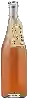
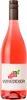
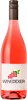
On the nose the pink wine of Winery Cambridge Road. often reveals types of flavors of citrus fruit, tree fruit.
Disease of the vine due to a fungus. Less dreadful than mildew, it only attacks the surface of the green parts. Sulphur has long been the best remedy.
Planning a wine route in the of North Island? Here are the wineries to visit and the winemakers to meet during your trip in search of wines similar to Winery Cambridge Road.
Cabernet Franc is one of the oldest red grape varieties in Bordeaux. The Libourne region is its terroir where it develops best. The terroirs of Saint-Emilion and Fronsac allow it to mature and develop its best range of aromas. It is also the majority in many blends. The very famous Château Cheval Blanc, for example, uses 60% Cabernet Franc. The wines produced with Cabernet Franc are medium in colour with fine tannins and subtle aromas of small red fruits and spices. When blended with Merlot and Cabernet Sauvignon, it brings complexity and a bouquet of aromas to the wine. It produces fruity wines that can be drunk quite quickly, but whose great vintages can be kept for a long time. It is an earlier grape variety than Cabernet Sauvignon, which means that it is planted as far north as the Loire Valley. In Anjou, it is also used to make sweet rosé wines. Cabernet Franc is now used in some twenty countries in Europe and throughout the world.