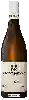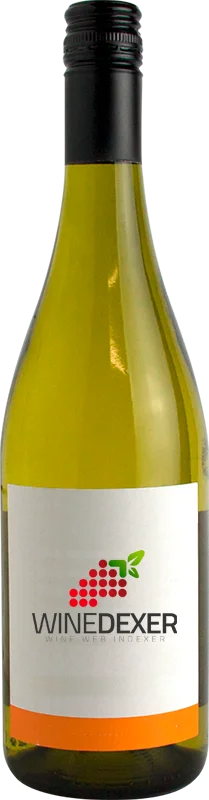
Winery BoekenhoutskloofBohoek Sémillon
 White wine


This wine generally goes well with poultry, rich fish (salmon, tuna etc) or shellfish.

Wine flavors and olphactive analysis


On the nose the Bohoek Sémillon of Winery Boekenhoutskloof in the region of Western Cape often reveals types of flavors of earth.
Food and wine pairings with Bohoek Sémillon
Pairings that work perfectly with Bohoek Sémillon



Original food and wine pairings with Bohoek Sémillon

The Bohoek Sémillon of Winery Boekenhoutskloof matches generally quite well with dishes of rich fish (salmon, tuna etc), shellfish or sweet desserts such as recipes of tagliatelle with fresh salmon, easy seafood gratin or tiramisu (original recipe).
Details and technical informations about Winery Boekenhoutskloof's Bohoek Sémillon.
Discover the grape variety: Malvasia Nera
Supple, aromatic reds with an intense ruby robe, smooth tannins and a charming palate, showing signature aromas of red fruits (cherry, raspberry), soft spices, balsamic notes (liquorice) and floral nuances. A fragrant profile adding suppleness to blends. A component of Salice Salentino DOC and Brindisi DOC in Puglia, also present in Tuscany. An Italian black variety of the Malvasia family, with no direct genetic link to white Malvasias.
Last vintages of this wine
The best vintages of Bohoek Sémillon from Winery Boekenhoutskloof are 2017, 2016, 0
Informations about the Winery Boekenhoutskloof
The Winery Boekenhoutskloof is one of of the world's great estates. It offers 44 wines for sale in the of Western Cape to come and discover on site or to buy online.

The wine region of Western Cape
Cradle of South African wine. Signature Chenin Blanc (Steen, 20%) in ample, fresh whites with notes of quince, yellow apple, honey and acacia flower, from crisp dry to sweet. Sharp, iodised Sauvignon Blanc (Walker Bay, Constantia), balanced Chardonnay. Reds: emblematic Pinotage with roasted aromas (coffee, plum, smoke), firm Cabernet Sauvignon, spicy Syrah.
The word of the wine: Residual sugars
Sugars not transformed into alcohol and naturally present in the wine. The perception of residual sugars is conditioned by the acidity of the wine. The more acidic the wine is, the less sweet it will seem, given the same amount of sugar.