The Château des Bertrands of Côtes de Provence of Provence
The Château des Bertrands is one of the world's great estates. It offers 17 wines for sale in of Côtes de Provence to come and discover on site or to buy online.
Looking for the best Château des Bertrands wines in Côtes de Provence among all the wines in the region? Check out our tops of the best red, white or effervescent Château des Bertrands wines. Also find some food and wine pairings that may be suitable with the wines from this area. Learn more about the region and the Château des Bertrands wines with technical and enological descriptions.
How Château des Bertrands wines pair with each other generally quite well with dishes of pork, shellfish or vegetarian such as recipes of summer orecchiette, seafood and mushroom quiche or quiche with leeks and fresh salmon from flo.
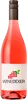
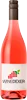
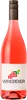
On the nose the pink wine of Château des Bertrands. often reveals types of flavors of citrus fruit, citrus or peach and sometimes also flavors of strawberries, tree fruit or red fruit. In the mouth the pink wine of Château des Bertrands. is a with a nice freshness.
The AOC Côtes de Provence is the largest appellation in the Provence wine region of southeastern France. It covers about 20,000 hectares of vineyards, which produce the vast majority of Provence's rosé wine. This appellation includes most of the vineyards in the Var department - essentially the eastern half of the Provence wine region - with the exception of 2,250 hectares North of Toulon which are reserved for the Côteaux Varois en Provence appellation. Although it also covers red and white wine, about 80% of Côtes de Provence production is rosé.
This wine is mainly made from the Grenache, Syrah, Mourvèdre and Cinsaut grapes, as well as the quintessential Provence red Tibouren. Although clearly a minority, the Volume of red wine produced under this title (and elsewhere in Provence) is increasing and currently represents about 15% of the total. Grapes such as the three key Rhone varieties mentioned above and Cabernet Sauvignon (introduced here in the 1960s) are being used by a New wave of winemakers eager to demonstrate that rosé is not the only interesting wine in the region. Only about five percent of Côtes de Provence wines are made from white grapes, particularly Rolle (Vermentino).
How Château des Bertrands wines pair with each other generally quite well with dishes of beef, lamb or spicy food such as recipes of navarin of the sea da gigi, traditional lamb couscous (from algeria) or mussels with curry.
On the nose the red wine of Château des Bertrands. often reveals types of flavors of earth, black fruit.
Cinsaut noir is a grape variety that originated in France (Provence). It produces a variety of grape specially used for wine making. It is rare to find this grape to eat on our tables. This variety of grape is characterized by large bunches and large grapes. Cinsaut noir can be found in several vineyards: South-West, Cognac, Bordeaux, Provence & Corsica, Rhône valley, Languedoc & Roussillon, Loire valley, Savoie & Bugey, Beaujolais, Armagnac.
How Château des Bertrands wines pair with each other generally quite well with dishes such as recipes .
A distinction is made between the ripeness of sugars and acids and the ripeness of tannins and other compounds such as anthocyanins and tannins, which will bring structure and colour. Grapes can be measured at 13° potential without having reached this phenolic maturity. Vinified at this stage, they will give hard, astringent wines, without charm.
Planning a wine route in the of Côtes de Provence? Here are the wineries to visit and the winemakers to meet during your trip in search of wines similar to Château des Bertrands.
Grenache noir is a grape variety that originated in Spain. It produces a variety of grape specially used for the elaboration of wine. It is rare to find this grape to eat on our tables. This variety of grape is characterized by medium to large bunches, and grapes of medium size. Grenache noir can be found in many vineyards: South West, Cognac, Bordeaux, Provence & Corsica, Languedoc & Roussillon, Rhone Valley, Loire Valley, Savoie & Bugey, Beaujolais.