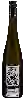
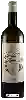
Winery Bernhard OttDer Ott Feuersbrunn
 White wine


This wine generally goes well with pork, vegetarian or lean fish.
The Der Ott Feuersbrunn of the Winery Bernhard Ott is in the top 50 of wines of Weinland.
Wine flavors and olphactive analysis



On the nose the Der Ott Feuersbrunn of Winery Bernhard Ott in the region of Weinland often reveals types of flavors of earth, microbio or tree fruit and sometimes also flavors of spices, citrus fruit.
Food and wine pairings with Der Ott Feuersbrunn
Pairings that work perfectly with Der Ott Feuersbrunn



Original food and wine pairings with Der Ott Feuersbrunn



The Der Ott Feuersbrunn of Winery Bernhard Ott matches generally quite well with dishes of pork, rich fish (salmon, tuna etc) or shellfish such as recipes of pigeon with bacon and mushrooms, salmon in brick pastry or seafood, chorizo and chicken paella from patou.
Details and technical informations about Winery Bernhard Ott's Der Ott Feuersbrunn.
Discover the grape variety: Allison seedless
American, intraspecific crossing between the red globe and the princess obtained in 2000 by the Sheehan genetics (California). It can be found in the United States, South Africa, Spain, Italy, ... almost unknown in France because of a very late maturity.
Last vintages of this wine
The best vintages of Der Ott Feuersbrunn from Winery Bernhard Ott are 2018, 0, 2017
Informations about the Winery Bernhard Ott
The Winery Bernhard Ott is one of of the world's greatest estates. It offers 22 wines for sale in the of Weinland to come and discover on site or to buy online.

The wine region of Weinland
Weinviertel DAC – whose name translates as "wine quarter" – is an appellation in Niederösterreich (Lower Austria). It is by far the largest Districtus Austriae Controllatus wine region in Austria. It was also the first Austrian wine region to be given that title, in 2002, with a DAC Reserve designation added in 2009. The designation applies only to white wines from the Grüner Veltliner Grape variety.
The word of the wine: Bleeding
Old practice for red wines. As soon as the vat is filled with grapes, the tap is opened. A sweet but clear juice escapes from the vat (it can also be used to make rosé). The colour and density of the juice is enhanced, but it should not be overdone. Rarely more than 10% of the volume of a vat, otherwise you risk losing fruit and bringing in bitterness.