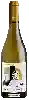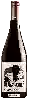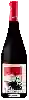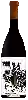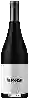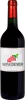
Winery El AngostoLa Tribu Mascarada
 Red wine



In the mouth this red wine is a powerful with a nice balance between acidity and tannins.
This wine generally goes well with beef, game (deer, venison) or lamb.

Taste structure of the La Tribu Mascarada from the Winery El Angosto
Light | Bold | |
Smooth | Tannic | |
Dry | Sweet | |
Soft | Acidic |
In the mouth the La Tribu Mascarada of Winery El Angosto in the region of Valence is a powerful with a nice balance between acidity and tannins.
Wine flavors and olphactive analysis

Food and wine pairings with La Tribu Mascarada
Pairings that work perfectly with La Tribu Mascarada



Original food and wine pairings with La Tribu Mascarada

The La Tribu Mascarada of Winery El Angosto matches generally quite well with dishes of beef, pasta or lamb such as recipes of tibs (ethiopia), shrimp marinade or lamb curry with coconut milk.
Details and technical informations about Winery El Angosto's La Tribu Mascarada.
Discover the grape variety: Melon-Queue-Rouge
Lively, refreshing dry whites with a pale golden robe and green hints, a lean palate and preserved acidity, with signature aromas of citrus (lemon), white flowers, white-fleshed fruits (pear) and Loire saline iodine notes. A profile identical to classic Muscadet. Preserved for its heritage value in a few parcels in the Pays Nantais. A reddish-stemmed mutation of Melon de Bourgogne, native French white grape.
Last vintages of this wine
The best vintages of La Tribu Mascarada from Winery El Angosto are 2010, 0
Informations about the Winery El Angosto
The Winery El Angosto is one of of the world's great estates. It offers 21 wines for sale in the of Valence to come and discover on site or to buy online.

The wine region of Valence
Sunny Mediterranean Levant, sun-drenched accessible wines. Monastrell (Mourvèdre) star red in Alicante: fleshy and deep with black fruits, garrigue, leather and spice, firm tannins. Round, fruity Bobal from Utiel-Requena, supple Garnacha, juicy Tempranillo. Fresh whites: light Merseguera, aromatic Moscatel (fresh grape, flowers).
The word of the wine: Phylloxera
Aphid that came from America and ravaged European vineyards at the end of the 19th century. It lives on the roots of the vine, from which it pumps the sap. The only vines capable of resisting it had to be imported from the United States, and then grafted onto their root system the wood of traditional French grape varieties. Today, grafted vines are always planted.