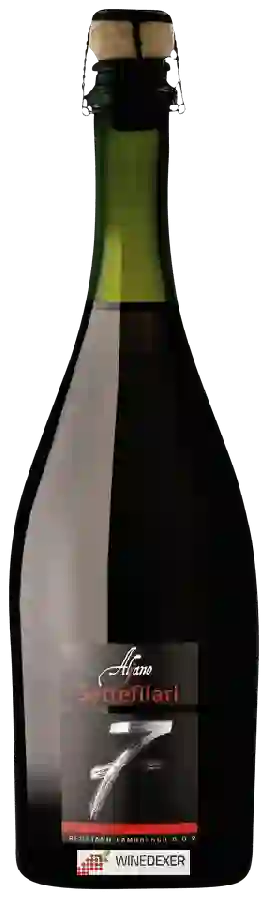
Winery Tenuta di AljanoSettefilari
 Sparkling wine



This wine generally goes well with pork, poultry or rich fish (salmon, tuna etc).

Wine flavors and olphactive analysis


On the nose the Settefilari of Winery Tenuta di Aljano in the region of Emilia-Romagna often reveals types of flavors of oak, red fruit.
Food and wine pairings with Settefilari
Pairings that work perfectly with Settefilari



Original food and wine pairings with Settefilari


The Settefilari of Winery Tenuta di Aljano matches generally quite well with dishes of pork, rich fish (salmon, tuna etc) or mature and hard cheese such as recipes of endives au gratin without béchamel sauce, salmon à la plancha with vegetables or beet greens and black sesame seeds pie.
Details and technical informations about Winery Tenuta di Aljano's Settefilari.
Discover the grape variety: Nero di Troia
Structured, intensely colored reds with a deep dark ruby robe, firm tannins and a dense palate, with signature aromas of black fruits (blackberry, blackcurrant), plum, spices, Mediterranean garrigue and balsamic notes. Fine ageing potential, sunny Apulian profile. Absolute star of Castel del Monte Nero di Troia Riserva DOCG, defining the great reds of Puglia. Indigenous Italian black variety from Puglia, grown mainly around Castel del Monte.
Last vintages of this wine
The best vintages of Settefilari from Winery Tenuta di Aljano are 2014, 0
Informations about the Winery Tenuta di Aljano
The Winery Tenuta di Aljano is one of of the world's greatest estates. It offers 13 wines for sale in the of Reggiano to come and discover on site or to buy online.

The wine region of Reggiano
Historic heart of Lambrusco with Modena, Po Valley in Emilia-Romagna. Signature sparkling reds and rosés: Lambrusco Maestri, Marani, Salamino blend with Ancellotta (up to 15%, roundness and color). Generous wines with fine bubbles showing black cherry, blackberry, strawberry, violet and herbal hints, from secco to dolce, light tannins and tangy freshness — moderate alcohol. Historic partner of Emilian cuisine (Parmigiano, charcuterie, lasagne).
The wine region of Emilia-Romagna
Kingdom of Lambrusco: fresh, fruity sparkling reds (blackberry, cherry, violet), from gourmet dry to convivial off-dry, perfect with local charcuterie. World's best-selling sparkling wine on the Emilia side (Sorbara, Grasparossa, Salamino). East, Romagna: supple fruity Sangiovese, Albana (Italy's 1st white DOCG, 1987) ample and almondy. Also red Gutturnio and white Pignoletto.
The word of the wine: Fruity
A wine whose nose is first characterized by aromas reminiscent of the world of fruit. A wine to be drunk young is essentially fruity, but all wines offer this type of aroma in the first place, which can evolve over time, from the scent of fresh fruit to cooked, stewed, candied or brandied fruit.