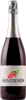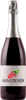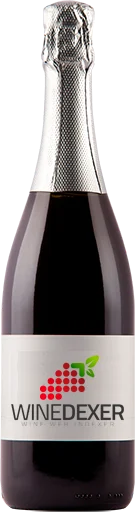
Winery Tenuta di AljanoBrina d'Estate Brut
 Sparkling wine



This wine generally goes well with

Details and technical informations about Winery Tenuta di Aljano's Brina d'Estate Brut.
Discover the grape variety: Malvasia bianca di Candia
Supple, aromatic whites to drink young, with a pale golden robe and an airy palate, with signature floral aromas (white flowers, rose), muscat notes, white-fleshed fruit and almond. Also as sparkling and passito sweet wines. Pillar of Frascati DOC and the white wines of Lazio, adding roundness and fragrance to blends. Malvasia variety originating from Crete (Candia), widely grown in central Italy.
Last vintages of this wine
The best vintages of Brina d'Estate Brut from Winery Tenuta di Aljano are 2017, 0
Informations about the Winery Tenuta di Aljano
The Winery Tenuta di Aljano is one of of the world's greatest estates. It offers 13 wines for sale in the of Colli de Scandiano e Canosa to come and discover on site or to buy online.

The wine region of Colli de Scandiano e Canosa
DOC of Emilia-Romagna (south of Reggio Emilia) between the Scandiano plain and hilltop Canossa at 550 m. Lambrusco is the signature sparkling red king (structured Grasparossa, lively Marani, fruity Salamino): frizzante with red cherry, raspberry, violet and a herbal touch, fresh and thirst-quenching, from dry to medium-sweet. Aromatic native Spergola and floral Malvasia di Candia as sparkling whites. Cabernet, Malbo Gentile and Marzemino as complements.
The wine region of Emilia-Romagna
Kingdom of Lambrusco: fresh, fruity sparkling reds (blackberry, cherry, violet), from gourmet dry to convivial off-dry, perfect with local charcuterie. World's best-selling sparkling wine on the Emilia side (Sorbara, Grasparossa, Salamino). East, Romagna: supple fruity Sangiovese, Albana (Italy's 1st white DOCG, 1987) ample and almondy. Also red Gutturnio and white Pignoletto.
The word of the wine: Chaptalization
The addition of sugar at the time of fermentation of the must, an ancient practice, but theorized by Jean-Antoine Chaptal at the dawn of the 19th century. The sugar is transformed into alcohol and allows the natural degree of the wine to be raised in a weak or cold year, or - more questionably - when the winegrower has a harvest that is too large to obtain good maturity.