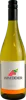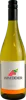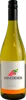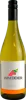
Winery Freiherr von und zu FranckensteinRiesling
 White wine
In the mouth this white wine is a with a nice freshness.
This wine generally goes well with pork, poultry or shellfish.
Taste structure of the Riesling from the Winery Freiherr von und zu Franckenstein
Light | Bold | |
Dry | Sweet | |
Soft | Acidic |
In the mouth the Riesling of Winery Freiherr von und zu Franckenstein in the region of Baden is a with a nice freshness.
Food and wine pairings with Riesling
Pairings that work perfectly with Riesling



Original food and wine pairings with Riesling


The Riesling of Winery Freiherr von und zu Franckenstein matches generally quite well with dishes of pork, shellfish or spicy food such as recipes of the tartiflette wrap, pageot or sheep's feet with mountain honey.
Details and technical informations about Winery Freiherr von und zu Franckenstein's Riesling.
Discover the grape variety: Riesling
White Riesling is a grape variety that originated in France (Alsace). It produces a variety of grape specially used for the elaboration of wine. It is rare to find this grape to eat on our tables. This variety of grape is characterized by small bunches, and small grapes. White Riesling can be found in many vineyards: Alsace, Loire Valley, Languedoc & Roussillon, Lorraine, Provence & Corsica, Rhone Valley, Savoie & Bugey, Beaujolais, South West.
Informations about the Winery Freiherr von und zu Franckenstein
The Winery Freiherr von und zu Franckenstein is one of of the world's great estates. It offers 42 wines for sale in the of Baden to come and discover on site or to buy online.

The wine region of Baden
Baden is the southernmost of Germany's 13 official wine regions. It is also the warmest. Its relatively sunny, DryClimate permits the production of good-quality Spätburgunder (Pinot Noir) and ripe, relatively Full-bodied">Full-bodied examples of Grauburgunder (Pinot Gris) and Weissburgunder (Pinot Blanc). These are often made in oaked styles.
The word of the wine: Faded
Said of a wine that has lost its brilliance and depth. It can also be used to describe the nose of an old wine that has lost its aromatic freshness.