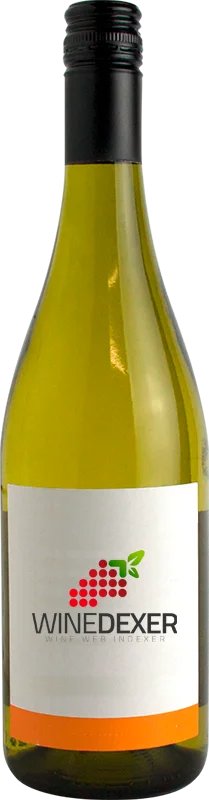
Winery Weingärtner Stromberg ZabergäuBönnigheimer Stromberg Müller-Thurgau - Riesling
 White wine
This wine is a blend of 2 varietals which are the Müller-Thurgau and the Riesling.
This wine generally goes well with pork, vegetarian or poultry.

Food and wine pairings with Bönnigheimer Stromberg Müller-Thurgau - Riesling
Pairings that work perfectly with Bönnigheimer Stromberg Müller-Thurgau - Riesling



Original food and wine pairings with Bönnigheimer Stromberg Müller-Thurgau - Riesling



The Bönnigheimer Stromberg Müller-Thurgau - Riesling of Winery Weingärtner Stromberg Zabergäu matches generally quite well with dishes of pork, rich fish (salmon, tuna etc) or spicy food such as recipes of banh mi sandwich, pasta with tuna and tomato or coral lentil dahl.
Details and technical informations about Winery Weingärtner Stromberg Zabergäu's Bönnigheimer Stromberg Müller-Thurgau - Riesling.
Discover the grape variety: Müller-Thurgau
Light, aromatic whites with a tender palate and moderate acidity, with muscat-like aromas of white flowers, apple, citrus, peach and honeyed notes. Made as easy dry whites, popular semi-dry wines and some sparkling cuvées. Widely planted in Germany (Rheinhessen, Baden), northern Italy (Alto Adige, Trentino), Austria, Switzerland, Hungary and Japan. Cross of riesling × madeleine royale created in 1882 by Hermann Müller in Geisenheim.
Informations about the Winery Weingärtner Stromberg Zabergäu
The Winery Weingärtner Stromberg Zabergäu is one of wineries to follow in Württemberg.. It offers 92 wines for sale in the of Württemberg to come and discover on site or to buy online.

The wine region of Württemberg
Rare predominantly red region in Germany (nearly 70%). Supple, fruity everyday reds: light, crisp Trollinger (Schiava) with red fruits, more structured, spicy, deep Lemberger (Blaufränkisch), generous Schwarzriesling (Pinot Meunier). Riesling king of whites (>2,000 ha), lively and mineral, citrus and green apple. Germany's 4th region (11,500 ha) on the Neckar slopes around Heilbronn and Stuttgart.
The word of the wine: Rootstock
American vine on which a French vine is grafted. This is the consequence of the phylloxera that destroyed the vineyard at the end of the 19th century: after much trial and error, it was discovered that the "pest" spared the roots of the American vines, and the technique became widespread.