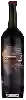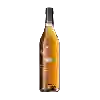
Winery Vinyer de la RucaBanyuls
 Natural sweet wine


This wine generally goes well with beef and mature and hard cheese.

Food and wine pairings with Banyuls
Pairings that work perfectly with Banyuls


Original food and wine pairings with Banyuls
The Banyuls of Winery Vinyer de la Ruca matches generally quite well with dishes of beef or mature and hard cheese such as recipes of chinese fondue or high savoyard chicken !.
Details and technical informations about Winery Vinyer de la Ruca's Banyuls.
Discover the grape variety: Grechetto
Structured and aromatic dry whites with a pale golden colour, broad palate and moderate acidity, with signature aromas of almond (hallmark), yellow fruit (pear, peach, apricot), white flowers (acacia) and mineral notes. Fine potential in both dry and sweet passito styles. Star of Orvieto DOC and the aromatic signature of Umbria, also present in Torgiano and Todi (Grechetto di Todi). An indigenous Italian white variety from Umbria.
Last vintages of this wine

The best vintages of Banyuls from Winery Vinyer de la Ruca are 2011
Informations about the Winery Vinyer de la Ruca
The Winery Vinyer de la Ruca is one of of the world's greatest estates. It offers 11 wines for sale in the of Banyuls to come and discover on site or to buy online.

The wine region of Banyuls
AOC natural sweet wine of the Catalan Côte Vermeille, spectacular schist terrace vineyards facing the Mediterranean. Black Grenache fortified with alcohol (min. 50%, min. 75% in Grand Cru).
The wine region of Languedoc-Roussillon
Largest single French vineyard, dominated by sunny, generous reds. Spicy Syrah, candied Grenache (ripe fruit, garrigue), structured Carignan, deep Mourvèdre, supple Cinsault. Stars: structured Corbières, Minervois, Faugères, Saint-Chinian; round Côtes-du-Roussillon. Legendary vins doux naturels: Banyuls and Maury (fortified Grenache) with notes of cocoa, fig, prune.
The word of the wine: Deposit
Solid particles that can naturally coat the bottom of a bottle of wine. It is rather a guarantee that the wine has not been mistreated: in fact, to avoid the natural deposit, rather violent processes of filtration or cold passage (- 7 or - 8 °C) are used in order to precipitate the tartar (the small white crystals that some people confuse with crystallized sugar: just taste to dissuade you from it)