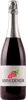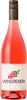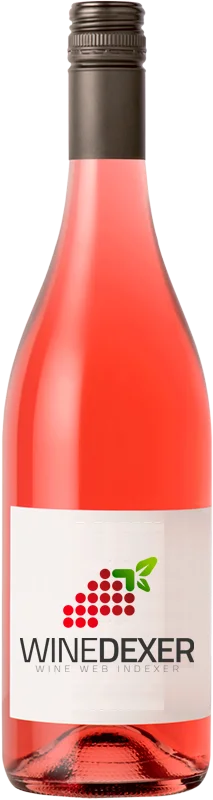
Vignerons d'OleronTerroir Convivia Rosé des Vents
 Pink wine
This wine is a blend of 2 varietals which are the Cabernet franc and the Merlot.
This wine generally goes well with pork, poultry or beef.
Food and wine pairings with Terroir Convivia Rosé des Vents
Pairings that work perfectly with Terroir Convivia Rosé des Vents



Original food and wine pairings with Terroir Convivia Rosé des Vents


The Terroir Convivia Rosé des Vents of Vignerons d'Oleron matches generally quite well with dishes of shellfish, appetizers and snacks or lean fish such as recipes of monkfish in foil, express beef samoussa or fried rice with chicken (khao phad kai - thai recipe).
Details and technical informations about Vignerons d'Oleron's Terroir Convivia Rosé des Vents.
Discover the grape variety: Cabernet franc
Cabernet Franc is one of the oldest red grape varieties in Bordeaux. The Libourne region is its terroir where it develops best. The terroirs of Saint-Emilion and Fronsac allow it to mature and develop its best range of aromas. It is also the majority in many blends. The very famous Château Cheval Blanc, for example, uses 60% Cabernet Franc. The wines produced with Cabernet Franc are medium in colour with fine tannins and subtle aromas of small red fruits and spices. When blended with Merlot and Cabernet Sauvignon, it brings complexity and a bouquet of aromas to the wine. It produces fruity wines that can be drunk quite quickly, but whose great vintages can be kept for a long time. It is an earlier grape variety than Cabernet Sauvignon, which means that it is planted as far north as the Loire Valley. In Anjou, it is also used to make sweet rosé wines. Cabernet Franc is now used in some twenty countries in Europe and throughout the world.
Informations about the Vignerons d'Oleron
The Vignerons d'Oleron is one of of the world's great estates. It offers 34 wines for sale in the of South West to come and discover on site or to buy online.

The wine region of South West
The South-West is a large territorial area of France, comprising the administrative regions of Aquitaine, Limousin and Midi-Pyrénées. However, as far as the French wine area is concerned, the South-West region is a little less clear-cut, as it excludes Bordeaux - a wine region so productive that it is de facto an area in its own right. The wines of the South West have a Long and eventful history. The local rivers play a key role, as they were the main trade routes to bring wines from traditional regions such as Cahors, Bergerac, Buzet and Gaillac to their markets.
The word of the wine: Mouth
The mouth is the third stage of wine tasting after the eye and nose. In the mouth, the taster identifies the aromas through the retronasal route, the flavours and the texture. It is in the mouth that the overall balance of the wine is apprehended.