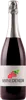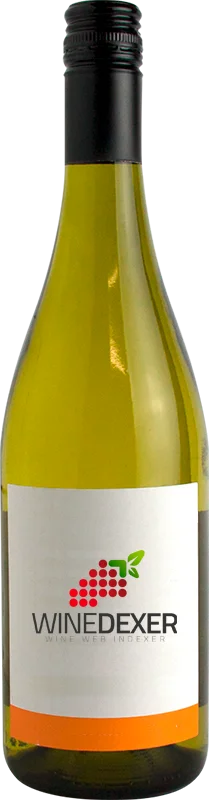
Vignerons d'OleronBoyard Pineau des Charentes
 Sweet wine
This wine generally goes well with
Details and technical informations about Vignerons d'Oleron's Boyard Pineau des Charentes.
Discover the grape variety: Nosiola
This is an ancient indigenous variety that has been cultivated for a long time in the north-east of Italy, particularly in the Trentino-Alto Adige region, although it has been somewhat neglected. It is related to rèze and groppello bianco, but should not be confused with veneto durella. The Nosiola can be found in Spain, Australia, ... in France it is almost unknown.
Informations about the Vignerons d'Oleron
The Vignerons d'Oleron is one of of the world's greatest estates. It offers 34 wines for sale in the of Pineau des Charentes to come and discover on site or to buy online.

The wine region of Pineau des Charentes
Pineau des Charentes is a Sweet and reasonably strong "Vin de Liqueur" from the Charente (Cognac) region of western France. It is made by adding Cognac brandy from the previous year's distillation (or earlier) to fresh Grape must from the current Vintage. By law, the must must be freshly harvested and, although it may have undergone partial Fermentation, its sugar content at the time of "Mutage" (when the brandy is added) must be greater than 170 g per litre. The Cognac itself must have an Alcohol content of at least 60 % and must have been kept in casks before being used.
The wine region of Cognac
Cognac is the most famous brandy in the world, more famous even than its OldGascon cousin, Armagnac. It comes from the Charentais, a vast region of western France immediately North of Bordeaux, and takes its name from the historic town of Cognac - the long-standing epicentre of local brandy production. In French, cognac is technically classified as an eau-de-vie de vin - a category that covers all spirits distilled from wine. The Full and official name of the brandy is actually "Eau-de-Vie de Cognac" or "Eau-de-Vie des Charentes", but the Short version has become so common that these longer versions almost never appear on labels.
The word of the wine: Acescence
An alteration in wine also known as pitting (hence the expression piqué wine), due to the presence of acetic acid and ethyl acetate, and characterized by a vinegar-like odor.