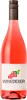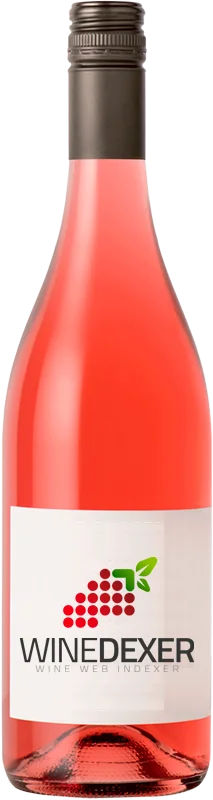
Winery Torr Na LochsBàndearg Rosé
 Pink wine
This wine is a blend of 2 varietals which are the Aglianico and the Sangiovese.
This wine generally goes well with pork, vegetarian or poultry.
Food and wine pairings with Bàndearg Rosé
Pairings that work perfectly with Bàndearg Rosé



Original food and wine pairings with Bàndearg Rosé



The Bàndearg Rosé of Winery Torr Na Lochs matches generally quite well with dishes of beef, lamb or veal such as recipes of beef stew, leg with a spoon or seven o'clock leg or duck breast with pepper sauce.
Details and technical informations about Winery Torr Na Lochs's Bàndearg Rosé.
Discover the grape variety: Aglianico
A very old grape variety grown in Italy, some believe it to be of Greek origin. In France, it is practically unknown. It can be found in Australia, the United States (California), Argentina, etc. It should not be confused with Aglianicone, another grape variety grown in Italy, which is, however, very similar to Aglianico.
Informations about the Winery Torr Na Lochs
The Winery Torr Na Lochs is one of of the world's great estates. It offers 21 wines for sale in the of Texas to come and discover on site or to buy online.

The wine region of Texas
Texas is the largest state in the United States of America and one of the most productive viticultural states. Covering 696,000 km² (268,000 square miles) between latitudes 25-36°N, this hot, Dry state is home to a range of mesoclimates suitable for viticulture in the deserts, mountains, lakes and plains of Texas. The main Grape varieties grown in Texas are Cabernet Sauvignon, Chardonnay, Chenin Blanc and (despite the hot conditions) Sauvignon Blanc. Generally speaking, Texas viticulture is divided into three main regions: NorthCentral, Southeast and Trans-Pecos.
The word of the wine: Oenologist
Specialist in wine-making techniques. It is a profession and not a passion: one can be an oenophile without being an oenologist (and the opposite too!). Formerly attached to the Faculty of Pharmacy, oenology studies have become independent and have their own university course. Learning to make wine requires a good chemical background but also, increasingly, a good knowledge of the plant. Some oenologists work in laboratories (analysis). Others, the consulting oenologists, work directly in the properties.