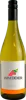
Winery Toplički VinogradiEpigenia Chardonnay
 White wine


This wine generally goes well with pork, vegetarian or poultry.

Food and wine pairings with Epigenia Chardonnay
Pairings that work perfectly with Epigenia Chardonnay



Original food and wine pairings with Epigenia Chardonnay

The Epigenia Chardonnay of Winery Toplički Vinogradi matches generally quite well with dishes of pork, rich fish (salmon, tuna etc) or vegetarian such as recipes of cajun jumbalaya rice, cod brandade without potatoes or ham and comté quiche.
Details and technical informations about Winery Toplički Vinogradi's Epigenia Chardonnay.
Discover the grape variety: Chardonnay
Whites with many faces: mineral and taut at Chablis (lemon, green apple, flint), opulent and buttery at Meursault and Puligny-Montrachet (hazelnut, brioche, yellow fruits), tense and chalky in Champagne (Blanc de Blancs). Also vinified sparkling and widely exported (Sonoma, Margaret River, Casablanca). A Burgundian variety, a cross of Pinot Noir × Gouais Blanc, half-sibling of Aligoté.
Last vintages of this wine

The best vintages of Epigenia Chardonnay from Winery Toplički Vinogradi are 2017, 2013, 0, 2015
Informations about the Winery Toplički Vinogradi
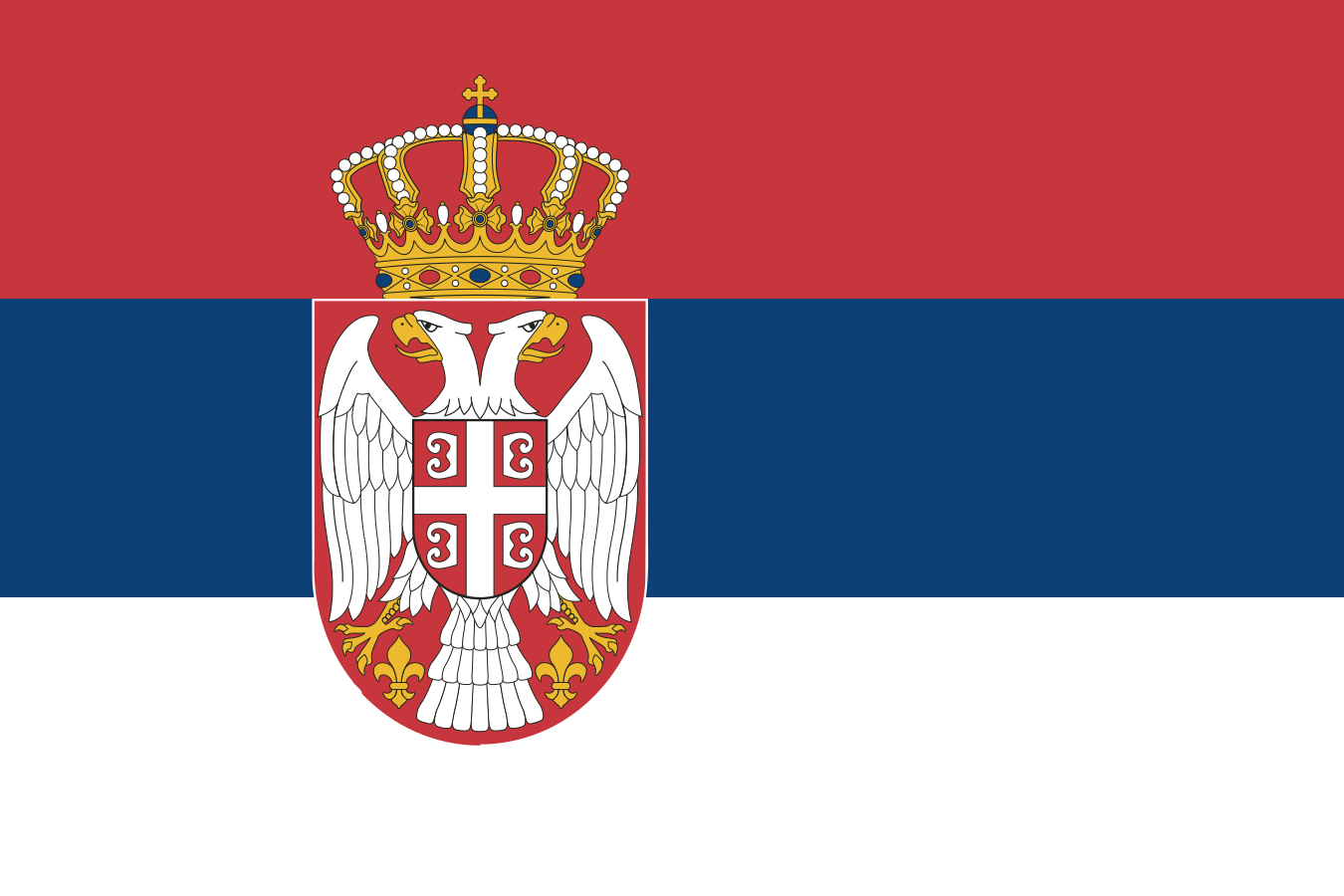
The Winery Toplički Vinogradi is one of of the world's greatest estates. It offers 17 wines for sale in the of Central Serbia to come and discover on site or to buy online.

The wine region of Central Serbia
Wine heart of Serbia, mosaic vineyards between 200-500 m on the Morava valleys. Signature Prokupac, an autochthonous grape documented since the 14th c. : deep ruby reds with signature notes of red fruits (cherry, raspberry), sweet spices, dried herbs and a peppery touch, balanced tannins and a fresh palate — a Serbian identity. Also dense, fleshy Vranac (blackberry, leather), aromatic Tamjanika (local Muscat).
The word of the wine: Bracket
Black grape variety from Provence which contributes to the personality of the red wines of the AOC Bellet, near Nice. It gives a lightly colored but full-bodied wine that is good with age. Syn.: brachet.