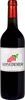
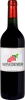
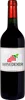
Winery Toplički VinogradiEpigenia Prokupac
 Red wine



This wine generally goes well with
The Epigenia Prokupac of the Winery Toplički Vinogradi is in the top 60 of wines of Serbia and in the top 50 of wines of Central Serbia.

Wine flavors and olphactive analysis




On the nose the Epigenia Prokupac of Winery Toplički Vinogradi in the region of Central Serbia often reveals types of flavors of non oak, earth or oak and sometimes also flavors of spices, red fruit or black fruit.
Details and technical informations about Winery Toplički Vinogradi's Epigenia Prokupac.
Discover the grape variety: Carignan Gris
Lively, aromatic dry whites and pale rosés with a golden-to-salmon colour and a crisp, elegant palate; signature aromas of yellow fruits (peach, apricot), citrus, white flowers and Mediterranean notes. Original Mediterranean profile. Increasingly prized by Roussillon winemakers for small-batch, atypical cuvées. A grey-skinned mutation of Carignan, grown in small quantities in Languedoc-Roussillon, France.
Last vintages of this wine
The best vintages of Epigenia Prokupac from Winery Toplički Vinogradi are 2017, 0, 2015, 2013
Informations about the Winery Toplički Vinogradi
The Winery Toplički Vinogradi is one of of the world's greatest estates. It offers 17 wines for sale in the of Central Serbia to come and discover on site or to buy online.

The wine region of Central Serbia
Wine heart of Serbia, mosaic vineyards between 200-500 m on the Morava valleys. Signature Prokupac, an autochthonous grape documented since the 14th c. : deep ruby reds with signature notes of red fruits (cherry, raspberry), sweet spices, dried herbs and a peppery touch, balanced tannins and a fresh palate — a Serbian identity. Also dense, fleshy Vranac (blackberry, leather), aromatic Tamjanika (local Muscat).
The word of the wine: Extraction
All the methods (pumping over, punching down) that allow the colour and tannins to be extracted from the grape skin during maceration, before fermentation begins. It is also possible to macerate after fermentation, but gently, so as not to extract the tannins from the seeds, which are greener. Because of its solvent power, alcohol favours extraction.