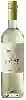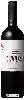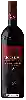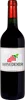
Winery Tenuta MaffoneLigagna Granaccia
 Red wine


In the mouth this red wine is a powerful.
This wine generally goes well with beef, game (deer, venison) or lamb.

Taste structure of the Ligagna Granaccia from the Winery Tenuta Maffone
Light | Bold | |
Smooth | Tannic | |
Dry | Sweet | |
Soft | Acidic |
In the mouth the Ligagna Granaccia of Winery Tenuta Maffone in the region of Liguria is a powerful.
Food and wine pairings with Ligagna Granaccia
Pairings that work perfectly with Ligagna Granaccia



Original food and wine pairings with Ligagna Granaccia

The Ligagna Granaccia of Winery Tenuta Maffone matches generally quite well with dishes of beef, pasta or lamb such as recipes of spanish stew (cocido), pasta à la forestière (chanterelles) or lamb meatballs with mint.
Details and technical informations about Winery Tenuta Maffone's Ligagna Granaccia.
Discover the grape variety: Carcajolo
Simple, fresh whites with low aromatics, a pale golden robe, a supple palate with moderate acidity, and discreet aromas of citrus and Mediterranean white flowers. Often blended in local Corsican whites, a precious witness of the island's ampelographic heritage. White Corsican variety, a mutation of Carcajolo noir, grown on a few hectares in Corse-du-Sud.
Last vintages of this wine
The best vintages of Ligagna Granaccia from Winery Tenuta Maffone are 0
Informations about the Winery Tenuta Maffone
The Winery Tenuta Maffone is one of of the world's greatest estates. It offers 10 wines for sale in the of Liguria to come and discover on site or to buy online.

The wine region of Liguria
Coastal region of northwest Italy on the Riviera, terraced vineyards among the steepest in Europe (~1,650 ha). Vermentino signature in white: fresh and saline with signature notes of citrus, white flowers, wild herbs, fresh almond and an iodine mineral touch, taut long mouth. Local Pigato similar and ample, mineral Bosco (min. 40% in Cinque Terre), Albarola.
The word of the wine: Reassembly
During the vinification process, a "cap" is formed at the top of the vats with the solid parts (skin, pulp, pips, etc.), which contain tannins and colouring elements. Pumping over consists of emptying the vat from the bottom and pouring the juice back to the top, in order to mix the cap and the juice and to favour the exchange and the extraction. This old technique allows a better exchange between the solid parts and the liquid.