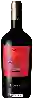
Winery SartoriRaineri 50 Anni
 Red wine
In the mouth this red wine is a powerful with a lot of tannins present in the mouth.
This wine generally goes well with beef, game (deer, venison) or lamb.

Taste structure of the Raineri 50 Anni from the Winery Sartori
Light | Bold | |
Smooth | Tannic | |
Dry | Sweet | |
Soft | Acidic |
In the mouth the Raineri 50 Anni of Winery Sartori in the region of Veneto is a powerful with a lot of tannins present in the mouth.
Food and wine pairings with Raineri 50 Anni
Pairings that work perfectly with Raineri 50 Anni



Original food and wine pairings with Raineri 50 Anni

The Raineri 50 Anni of Winery Sartori matches generally quite well with dishes of beef, lamb or pasta such as recipes of spanish stew (cocido), mediterranean lamb necklace or spaghetti cacio e pepe.
Details and technical informations about Winery Sartori's Raineri 50 Anni.
Discover the grape variety: Sultanine
Seedless table grape variety with long bunches, golden berries with thin skin and crunchy flesh, with a sweet, fresh flavour. Very productive. Grown worldwide (California, Turkey, Iran, Australia, Chile) for fresh consumption, dried raisins (sultanas) and sometimes for neutral white wines. Also known as Thompson Seedless in the United States. One of the oldest cultivated table grape varieties, probably originating from Turkey or Iran.
Informations about the Winery Sartori
The Winery Sartori is one of wineries to follow in Vénétie.. It offers 179 wines for sale in the of Veneto to come and discover on site or to buy online.

The wine region of Veneto
World star of Prosecco: fresh, light Glera sparklers with notes of pear, green apple and white flowers, fruity, convivial bubbles. Veronese reds from Corvina and Rondinella: light, crisp Bardolino, fruity Valpolicella, opulent, concentrated Amarone DOCG (black cherry, chocolate, raisin) from dried grapes. Mineral, almondy Soave (Garganega) whites, fresh Pinot Grigio. 97,500 ha, Italy's largest production.
The word of the wine: Dosing liqueur (champagne)
Also known as liqueur d'expédition, a solution made up of wine and sugar added to champagne after disgorgement and which determines the type of wine: extra-brut, brut, extra-dry, dry, demi-sec.