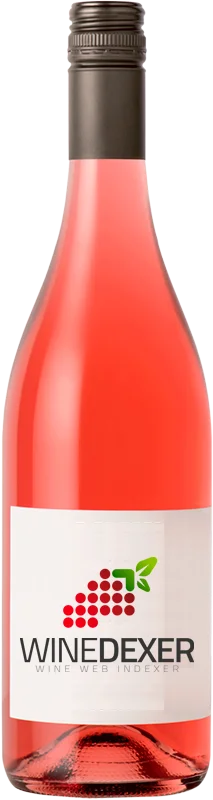
Winery PillsburyOne Night Stand Rosé
 Pink wine


This wine is a blend of 2 varietals which are the Sangiovese and the Zinfandel.
This wine generally goes well with pork, poultry or beef.
The One Night Stand Rosé of the Winery Pillsbury is in the top 80 of wines of Arizona.

Wine flavors and olphactive analysis

On the nose the One Night Stand Rosé of Winery Pillsbury in the region of Arizona often reveals types of flavors of red fruit.
Food and wine pairings with One Night Stand Rosé
Pairings that work perfectly with One Night Stand Rosé



Original food and wine pairings with One Night Stand Rosé



The One Night Stand Rosé of Winery Pillsbury matches generally quite well with dishes of beef, lamb or veal such as recipes of beef with onions chinese style, lamb shoulder confit or veal saltimbocca.
Details and technical informations about Winery Pillsbury's One Night Stand Rosé.
Discover the grape variety: Sangiovese
Firm, upright reds with precise acidity and angular tannins, showing aromas of sour cherry, plum, dried herbs, leather, black tea and balsamic notes. Characteristically bitter, savoury finish. Star of Chianti Classico DOCG, Brunello di Montalcino DOCG, Vino Nobile di Montepulciano DOCG and Morellino di Scansano. Italy's most planted variety, a descendant of Ciliegiolo × Calabrese di Montenuovo.
Last vintages of this wine
The best vintages of One Night Stand Rosé from Winery Pillsbury are 2018, 0
Informations about the Winery Pillsbury
The Winery Pillsbury is one of of the world's greatest estates. It offers 23 wines for sale in the of Arizona to come and discover on site or to buy online.

The wine region of Arizona
Emerging US Southwest state, high-altitude vineyards (1,370-1,580 m) on volcanic soils. Rhone and Mediterranean grapes are the stars: signature Syrah (blackberry, pepper, olive, violet, round tannins), fruity Grenache, dense sun-drenched Mourvedre. Also spicy Tempranillo and fruity Sangiovese. Aromatic Viognier (apricot, flowers) and deeply coloured Petite Sirah in whites.
The word of the wine: Phylloxera
Aphid that came from America and ravaged European vineyards at the end of the 19th century. It lives on the roots of the vine, from which it pumps the sap. The only vines capable of resisting it had to be imported from the United States, and then grafted onto their root system the wood of traditional French grape varieties. Today, grafted vines are always planted.