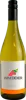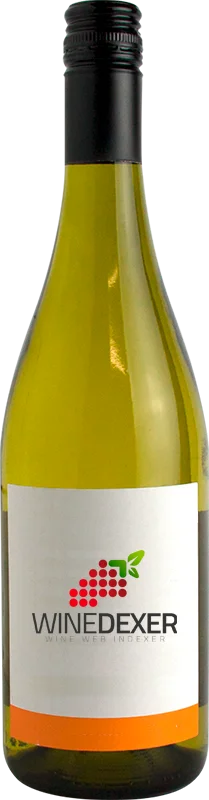
Winery Pavese ErmesLe Sette Scalinate Blanc de Morgex et de la Salle
 White wine


In the mouth this white wine is a powerful with a nice freshness.
This wine generally goes well with lean fish, shellfish or mature and hard cheese.
Taste structure of the Le Sette Scalinate Blanc de Morgex et de la Salle from the Winery Pavese Ermes
Light | Bold | |
Dry | Sweet | |
Soft | Acidic |
In the mouth the Le Sette Scalinate Blanc de Morgex et de la Salle of Winery Pavese Ermes in the region of Valle d'Aosta is a powerful with a nice freshness.
Wine flavors and olphactive analysis

Food and wine pairings with Le Sette Scalinate Blanc de Morgex et de la Salle
Pairings that work perfectly with Le Sette Scalinate Blanc de Morgex et de la Salle



Original food and wine pairings with Le Sette Scalinate Blanc de Morgex et de la Salle


The Le Sette Scalinate Blanc de Morgex et de la Salle of Winery Pavese Ermes matches generally quite well with dishes of pasta, shellfish or mature and hard cheese such as recipes of roast beef in a foie gras and chanterelle crust, scallops in coral sauce or mashed potatoes with chastillon cheese.
Details and technical informations about Winery Pavese Ermes's Le Sette Scalinate Blanc de Morgex et de la Salle.
Discover the grape variety: Gibert
An ancient grape variety found in the Lot department. A.D.N. analyses processed by specific software (U.M.R.-A.G.A.P. Montpellier) have indicated that it is the result of a cross between côt and colombaud. Today, no longer present in the vineyard, it is on the verge of extinction, registered in the Official Catalogue of wine grape varieties, list A1.
Last vintages of this wine
The best vintages of Le Sette Scalinate Blanc de Morgex et de la Salle from Winery Pavese Ermes are 0
Informations about the Winery Pavese Ermes
The Winery Pavese Ermes is one of of the world's greatest estates. It offers 10 wines for sale in the of Valle d'Aosta to come and discover on site or to buy online.

The wine region of Valle d'Aosta
Valle d'Aosta is the smallest and least populated region in Italy, only one-eighth the Size of neighbouring Piedmont. It covers a mountainous area in the far northwest of Italy, where the country's borders meet those of France and Switzerland. Despite the region's small size and low profile, a wide range of red and white wines are produced from a selection of native and introduced Grape varieties. The most important of these is Picotendro, the local form of Nebbiolo.
The word of the wine: Amber
(1) A colour close to amber, sometimes taken on by white wines aged for a long time, or by oxidising prematurely. (2) A term used on the label to designate white Rivesaltes aged for at least thirty months in an oxidizing environment.