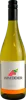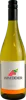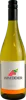
Château FeuilletPetite Arvine
 White wine



In the mouth this white wine is a powerful with a nice freshness.
This wine generally goes well with lean fish, shellfish or mature and hard cheese.
The Petite Arvine of the Château Feuillet is in the top 30 of wines of Valle d'Aosta.

Taste structure of the Petite Arvine from the Château Feuillet
Light | Bold | |
Dry | Sweet | |
Soft | Acidic |
In the mouth the Petite Arvine of Château Feuillet in the region of Valle d'Aosta is a powerful with a nice freshness.
Wine flavors and olphactive analysis






On the nose the Petite Arvine of Château Feuillet in the region of Valle d'Aosta often reveals types of flavors of citrus, peach or green apple and sometimes also flavors of minerality, honeysuckle or cheese.
Food and wine pairings with Petite Arvine
Pairings that work perfectly with Petite Arvine



Original food and wine pairings with Petite Arvine


The Petite Arvine of Château Feuillet matches generally quite well with dishes of pasta, shellfish or mature and hard cheese such as recipes of salmon and spinach lasagna, seafood pie or pasta gratin with mortau sausage.
Details and technical informations about Château Feuillet's Petite Arvine.
Discover the grape variety: Blauburgunder
Elegant, structured reds with a clear to deep ruby colour, silky tannins and a smooth palate, showing signature aromas of red fruits (cherry, raspberry, strawberry), forest floor, mushroom, gentle spices and vanilla from oak ageing. Good ageing potential. Produces great wines in German-speaking regions — Germany (Baden-Württemberg, Palatinate), Austria, northern Italy (Südtirol) and German-speaking Switzerland. German and Austrian synonym for Pinot Noir.
Last vintages of this wine
The best vintages of Petite Arvine from Château Feuillet are 2012, 2017, 2016, 2015 and 2014.
Informations about the Château Feuillet
The Château Feuillet is one of of the world's greatest estates. It offers 14 wines for sale in the of Valle d'Aosta to come and discover on site or to buy online.

The wine region of Valle d'Aosta
Italy's smallest vineyard (~500 ha) between Mont Blanc and Canavese, among Europe's highest vines (up to 1,200 m at Morgex). Native Petit Rouge signature: fine, fresh reds with signature notes of raspberry, violet, alpine herbs, sweet spices and a mineral touch, silky tannins. Local Cornalin, Fumin and Mayolet complete. Firm Nebbiolo (Picotendro), light Gamay.
The word of the wine: Second wine
In the Bordeaux vineyard, the second wine is a lesser-aged wine made from the youngest vines, while the main wine of the château is called the "grand vin".