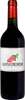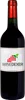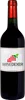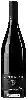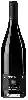
Winery Paul SchumacherWalporzheimer Kräuterberg Spätburgunder
 Red wine


In the mouth this red wine is a with a nice freshness.
This wine generally goes well with poultry, beef or veal.
Taste structure of the Walporzheimer Kräuterberg Spätburgunder from the Winery Paul Schumacher
Light | Bold | |
Smooth | Tannic | |
Dry | Sweet | |
Soft | Acidic |
In the mouth the Walporzheimer Kräuterberg Spätburgunder of Winery Paul Schumacher in the region of Ahr is a with a nice freshness.
Wine flavors and olphactive analysis



On the nose the Walporzheimer Kräuterberg Spätburgunder of Winery Paul Schumacher in the region of Ahr often reveals types of flavors of earth, red fruit.
Food and wine pairings with Walporzheimer Kräuterberg Spätburgunder
Pairings that work perfectly with Walporzheimer Kräuterberg Spätburgunder



Original food and wine pairings with Walporzheimer Kräuterberg Spätburgunder

The Walporzheimer Kräuterberg Spätburgunder of Winery Paul Schumacher matches generally quite well with dishes of beef, veal or game (deer, venison) such as recipes of monkfish tagine, tanjia or roast deer my grandmother's way.
Details and technical informations about Winery Paul Schumacher's Walporzheimer Kräuterberg Spätburgunder.
Discover the grape variety: Lignage
Noble grape variety, formerly known in Loir et Cher, more precisely on the right bank of the Loire Valley between Blois and Tours. It is completely unknown in other French wine regions and abroad. Absent today from the Loire vineyards, its reintroduction, even if limited, should not be long in coming.
Last vintages of this wine

The best vintages of Walporzheimer Kräuterberg Spätburgunder from Winery Paul Schumacher are 0, 2016
Informations about the Winery Paul Schumacher
The Winery Paul Schumacher is one of of the world's greatest estates. It offers 21 wines for sale in the of Ahr to come and discover on site or to buy online.

The wine region of Ahr
Ahr is one of Germany’s least-known and Northernmost wine regions, known for its Pinot Noir reds. It Lies immediately north of the Mosel, and follows the Ahr River in the Final stages of its journey towards its confluence with the Rhein. One might expect a wine region this far north (50°N) to specialize in white wines – like almost every other cool-Climate wine region. After all, neighboring Mosel and Mittelrhein both clearly favor white wines (around 85 percent).
The word of the wine: Farm
Wine dominated by a strong acidity and/or biting tannins. In this case, the components of the wine need to melt, i.e. to harmonize during the maturation in the cellar.