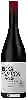
Winery Morais RochaGrande Reserve Tinto
 Red wine


In the mouth this red wine is a powerful.
This wine generally goes well with poultry, beef or veal.

Taste structure of the Grande Reserve Tinto from the Winery Morais Rocha
Light | Bold | |
Smooth | Tannic | |
Dry | Sweet | |
Soft | Acidic |
In the mouth the Grande Reserve Tinto of Winery Morais Rocha in the region of Alentejano is a powerful.
Food and wine pairings with Grande Reserve Tinto
Pairings that work perfectly with Grande Reserve Tinto



Original food and wine pairings with Grande Reserve Tinto

The Grande Reserve Tinto of Winery Morais Rocha matches generally quite well with dishes of beef, lamb or veal such as recipes of celine's version of moussaka (5th meeting), quick couscous or sliced endives with ham.
Details and technical informations about Winery Morais Rocha's Grande Reserve Tinto.
Discover the grape variety: Solaris
Aromatic, structured whites with an ample palate and moderate acidity, with intense, muscat-like aromas of yellow peach, apricot, exotic fruits (pineapple, mango), white flowers, honey and discreet herbal notes. Made as both expressive dry whites and sweet wines. A very early, mildew- and powdery-mildew-resistant interspecific variety, driving organic viticulture in northern regions (Germany, Switzerland, Denmark, Sweden, UK). Created in 1975 in Freiburg (Merzling × Geisenheim 6493).
Last vintages of this wine
The best vintages of Grande Reserve Tinto from Winery Morais Rocha are 0
Informations about the Winery Morais Rocha
The Winery Morais Rocha is one of of the world's greatest estates. It offers 14 wines for sale in the of Alentejano to come and discover on site or to buy online.

The wine region of Alentejano
Star of southern Portugal's great reds, sunny and opulent wines. Typical blends: round fruity Aragonez (Tempranillo), spicy Trincadeira, Touriga Nacional (black fruits, violet), deep teinturier Alicante Bouschet, juicy Castelão. Fleshy reds with notes of plum, black cherry, cocoa and sweet spices, melted tannins. Ample fresh Antão Vaz and Arinto whites.
The word of the wine: Tartar (deposit)
White, chalky deposits that occur as a result of precipitation inside bottles and are often considered by consumers as a defect. They are in fact tartaric salts formed by tartaric acid, potassium and calcium naturally present in the wine. This deposit does not alter the quality of the wine and can be eliminated by a simple decanting.