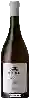
Winery Monte AmareloBranco
 White wine



In the mouth this white wine is a powerful.
This wine generally goes well with pork, lean fish or shellfish.
Taste structure of the Branco from the Winery Monte Amarelo
Light | Bold | |
Dry | Sweet | |
Soft | Acidic |
In the mouth the Branco of Winery Monte Amarelo in the region of Alentejano is a powerful.
Food and wine pairings with Branco
Pairings that work perfectly with Branco



Original food and wine pairings with Branco

The Branco of Winery Monte Amarelo matches generally quite well with dishes of pasta, pork or shellfish such as recipes of salmon and spinach lasagna, stuffed round zucchini or seafood pie.
Details and technical informations about Winery Monte Amarelo's Branco.
Discover the grape variety: Baroque
From a morphological point of view, Baroque seems to have common origins with Tannat. Still called Blanc Bordelais, this white grape variety is distinguished essentially by the characteristics of its leaves. Those that are still young are both yellowish and downy. Their bumps have a somewhat bronzed appearance. The adult leaves have angular teeth. The leaves are not very three-lobed and have a pubescent, downy blade. The Baroque is grown in the Adour basin, mainly in Tursan and in certain vineyards in the Gers. Its production area is therefore not very large. This grape variety manages to resist oidium, unlike other varieties, and its harvest must be well done and free of rot. The harvest must be well done and free of rot, which leads to a better result and a more successful wine production. Moreover, the development of Baroque must be slowed down in time, bearing in mind that this type of grape variety only matures about twenty days after Chasselas.
Last vintages of this wine
The best vintages of Branco from Winery Monte Amarelo are 2018, 2011, 2015, 2014 and 0.
Informations about the Winery Monte Amarelo
The Winery Monte Amarelo is one of of the world's greatest estates. It offers 9 wines for sale in the of Alentejano to come and discover on site or to buy online.

The wine region of Alentejano
Tejo">Alentejo is a well-known, highly respected wine region in eastern Portugal. This hot, Dry area covers approximately a third of the country and is best known for its red wine, the best of which are sold under the and Alentejo DOC (Denominacao de Origem Controlada) title. Wine from Alentejo is typically made from Aragonez (Tempranillo), Castelao, Trincadeira or a Rich, ripe, jammy blend of the three. Antao Vaz is the white variety of choice here, producing a good level of Acidity and tropical fruit flavors.
The word of the wine: Naturé
See savagnin.