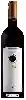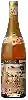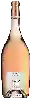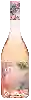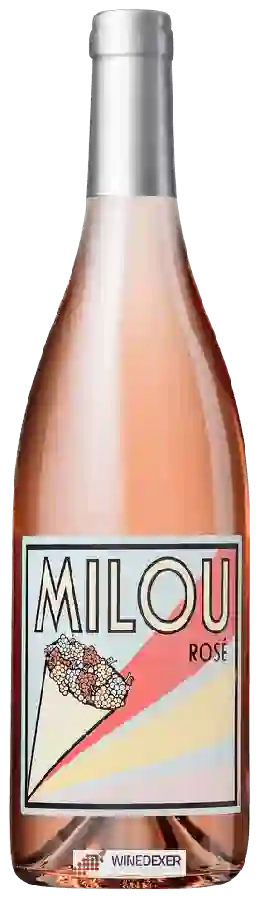
Winery MilouRosé
 Pink wine



In the mouth this pink wine is a with a nice freshness.
This wine generally goes well with pork, vegetarian or poultry.
Taste structure of the Rosé from the Winery Milou
Light | Bold | |
Dry | Sweet | |
Soft | Acidic |
In the mouth the Rosé of Winery Milou in the region of Provence is a with a nice freshness.
Wine flavors and olphactive analysis



On the nose the Rosé of Winery Milou in the region of Provence often reveals types of flavors of cream, apples or peach and sometimes also flavors of strawberries, microbio or tree fruit.
Food and wine pairings with Rosé
Pairings that work perfectly with Rosé



Original food and wine pairings with Rosé

The Rosé of Winery Milou matches generally quite well with dishes of pork, shellfish or vegetarian such as recipes of chicken bonne femme, grilled lobster with tarragon cream sauce or quiche without eggs.
Details and technical informations about Winery Milou's Rosé.
Discover the grape variety: Floreal
A wine grape variety of the INRA-Resdur1 series with polygenic resistance (two genes for mildew and powdery mildew have been identified), resulting from an interspecific cross between Villaris and Mtp 3159-2-12 (for the latter, one of its parents is Vitis rotundifolia, which is resistant to Pierce's disease, mildew, grey rot, etc.). Little multiplied, it is registered in the Official Catalogue of wine grape varieties list A1.
Last vintages of this wine
The best vintages of Rosé from Winery Milou are 2016, 2017
Informations about the Winery Milou
The Winery Milou is one of of the world's greatest estates. It offers 4 wines for sale in the of Provence to come and discover on site or to buy online.

The wine region of Provence
Provence is a wine region in the far southeast of France, best known for the quality (and quantity) of its rosé wines and for its Warm, mild Climate. The modernization that is taking place in many of the traditional wine regions of southern France has not yet taken place to the same extent in Provence, but there are Clear signs of change. The region's Grape varieties, in particular, have come under scrutiny in recent decades. Traditional varieties such as Carignan, Barbaroux (Barbarossa from Sardinia) and Calitor are being replaced by more commercially viable varieties such as Grenache, Syrah and even Cabernet Sauvignon.
The word of the wine: Second fermentation
In the making of champagne, fermentation of the base wine to which is added the liqueur de tirage and which takes place in the bottle. This second fermentation produces the carbon dioxide, and therefore the bubbles that make up the effervescence of the wine.