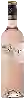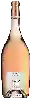
Château CalissanneClos Victoire Rosé
 Pink wine



This wine generally goes well with beef, lamb or mature and hard cheese.

Food and wine pairings with Clos Victoire Rosé
Pairings that work perfectly with Clos Victoire Rosé



Original food and wine pairings with Clos Victoire Rosé

The Clos Victoire Rosé of Château Calissanne matches generally quite well with dishes of beef, lamb or spicy food such as recipes of vegetable noddles, kapama of lamb (traditional bosnian dish) or chicken with maroilles.
Details and technical informations about Château Calissanne's Clos Victoire Rosé.
Discover the grape variety: Carignan Blanc
Structured, full-bodied dry whites with a pale to golden colour, ample palate and preserved acidity, showing signature aromas of ripe yellow fruits (pear, peach, apricot), almond, white flowers and Mediterranean saline notes. Good ageing potential; renewed interest for character-driven southern whites. Grown in small quantities in Languedoc-Roussillon and Catalonia (cariñena blanca). White-berried mutation of carignan noir, a historic Mediterranean variety.
Informations about the Château Calissanne
The Château Calissanne is one of of the world's greatest estates. It offers 24 wines for sale in the of Provence to come and discover on site or to buy online.

The wine region of Provence
World capital of dry, refined rosé (~90% of production). Pale rose-petal colour, delicate nose of fresh red fruits (strawberry, raspberry, redcurrant), citrus (pink grapefruit), white flowers and a mineral touch, taut and thirst-quenching palate — the Mediterranean aperitif par excellence. Blends of Grenache, Cinsault, Syrah, Tibouren and Mourvèdre. Fleshy Bandol reds from Mourvèdre (leather, garrigue, age-worthy), straight Cassis whites.
The word of the wine: Flexible
A tender wine with little tannin.