The Château des Marres of Côtes de Provence of Provence
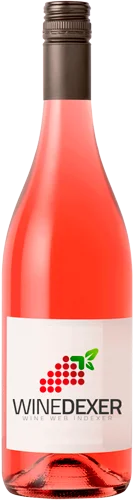
The Château des Marres is one of the world's great estates. It offers 11 wines for sale in of Côtes de Provence to come and discover on site or to buy online.
Looking for the best Château des Marres wines in Côtes de Provence among all the wines in the region? Check out our tops of the best red, white or effervescent Château des Marres wines. Also find some food and wine pairings that may be suitable with the wines from this area. Learn more about the region and the Château des Marres wines with technical and enological descriptions.
How Château des Marres wines pair with each other generally quite well with dishes of pork, shellfish or vegetarian such as recipes of salted lentils, cuttlefish rust or mushroom, bacon and gruyere quiche.
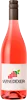
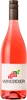
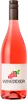
On the nose the pink wine of Château des Marres. often reveals types of flavors of cream, red fruit or strawberries and sometimes also flavors of licorice, raspberry or red currant. In the mouth the pink wine of Château des Marres. is a with a nice freshness.
The AOC Côtes de Provence is the largest appellation in the Provence wine region of southeastern France. It covers about 20,000 hectares of vineyards, which produce the vast majority of Provence's rosé wine. This appellation includes most of the vineyards in the Var department - essentially the eastern half of the Provence wine region - with the exception of 2,250 hectares North of Toulon which are reserved for the Côteaux Varois en Provence appellation. Although it also covers red and white wine, about 80% of Côtes de Provence production is rosé.
This wine is mainly made from the Grenache, Syrah, Mourvèdre and Cinsaut grapes, as well as the quintessential Provence red Tibouren. Although clearly a minority, the Volume of red wine produced under this title (and elsewhere in Provence) is increasing and currently represents about 15% of the total. Grapes such as the three key Rhone varieties mentioned above and Cabernet Sauvignon (introduced here in the 1960s) are being used by a New wave of winemakers eager to demonstrate that rosé is not the only interesting wine in the region. Only about five percent of Côtes de Provence wines are made from white grapes, particularly Rolle (Vermentino).
How Château des Marres wines pair with each other generally quite well with dishes of pork, game (deer, venison) or shellfish such as recipes of pork chops with curry and honey, duck leg confit in cider or lobster tail armorican style.
Rolle is a white grape variety of Turkish origin that has become established in the South of France, particularly in the Var region, in Corsica under the name of Vermentinu, and in Italy. Its bunches and berries, of medium size, change from white to pink when the grapes are ripe. The rolle likes hot climates where the soil is dry and poor. On the other hand, it fears the wind and diseases. It produces fat, well-balanced white wines. These wines may lack acidity, but they are still very aromatic and give off notes of grapefruit, white fruit, white flowers, fennel, etc. Rolle is also a good table grape that can be enjoyed both fresh and dry. Present in Provence, Languedoc, Roussillon and Corsica. It is used in the composition of numerous appellations such as Ajaccio, Patrimonio, Bandol, Coteaux-d'Aix-en-Provence, Côtes-de-Provence, Costières-de-Nîmes, Corbières, Collioure, Côtes-de-Roussillon, Minervois, Saint Chinian...
How Château des Marres wines pair with each other generally quite well with dishes of beef, lamb or spicy food such as recipes of beef with mustard, lamb tagine with prunes or scallops with cream.
On the nose the red wine of Château des Marres. often reveals types of flavors of earth, oaky or citrus and sometimes also flavors of strawberries, vanilla or dark fruit.
Method consisting in clarifying the wine and giving it a limpidity by incorporating a specific product.
Planning a wine route in the of Côtes de Provence? Here are the wineries to visit and the winemakers to meet during your trip in search of wines similar to Château des Marres.
Mainly cultivated in the Languedoc region, carignan originates from Spain. Because of its very resistant branches, it is often called hardwood. Its bunches are quite large. They are compact and winged with a lignified stalk. The berries are spherical in shape and take on a bluish-black colour. Carignan has a total of 25 approved clones, the best known of which are 274, 65 and 9. The carignan buds at the beginning of June and is protected from spring frosts. It does not reach maturity until the third period. Also, this grape variety needs warmth and sunshine. It appreciates dry and not very fertile soils. Carignan vines can live for more than 100 years. Those that are more than 30 years old produce a better wine. This wine is well coloured. It is generous and powerful at the same time. Pepper, cherry, blackberry, banana, raspberry, almond, prune and violet are some of the aromas that this grape variety gives off.