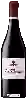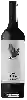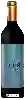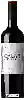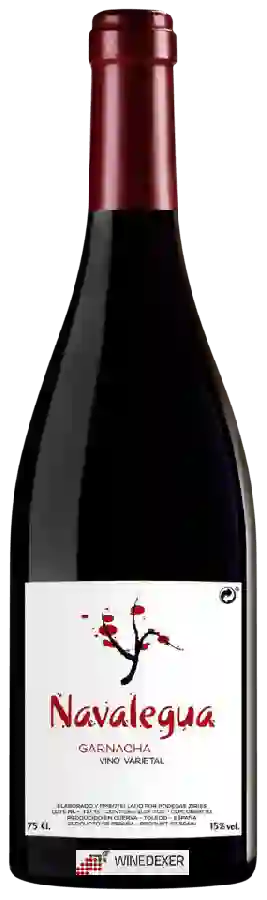
Winery ZiriesNavalegua
 Red wine


In the mouth this red wine is a powerful with a nice freshness.
This wine generally goes well with poultry, beef or game (deer, venison).

Taste structure of the Navalegua from the Winery Ziries
Light | Bold | |
Smooth | Tannic | |
Dry | Sweet | |
Soft | Acidic |
In the mouth the Navalegua of Winery Ziries in the region of Castille is a powerful with a nice freshness.
Food and wine pairings with Navalegua
Pairings that work perfectly with Navalegua



Original food and wine pairings with Navalegua


The Navalegua of Winery Ziries matches generally quite well with dishes of beef, pasta or lamb such as recipes of stewed beef heart, very simple spaghetti carbonara or tunisian macaroni.
Details and technical informations about Winery Ziries's Navalegua.
Discover the grape variety: Melon blanc et rouge
Simple, fresh dry whites with a pale golden robe, a supple palate with moderate acidity, and undemonstrative aromas of citrus and white flowers. A discreet rustic profile. Almost absent from commercial cultivation, preserved in INRAE variety collections, it testifies to the pre-phylloxera ampelographic diversity of central and northern France. A rare indigenous French white grape, once grown in central and northern France.
Last vintages of this wine

The best vintages of Navalegua from Winery Ziries are 2013, 2014, 0
Informations about the Winery Ziries
The Winery Ziries is one of of the world's greatest estates. It offers 4 wines for sale in the of Castille to come and discover on site or to buy online.

The wine region of Castille
Cradle of great Castilian reds, high-altitude plateaus (450-1000 m) along the Duero. Tempranillo king (aka Tinta de Toro, Tinto Fino): powerful, concentrated, structured reds with notes of black cherry, plum, leather, tobacco and spice, firm tannins from altitude and cool nights. Stars: Ribera del Duero (Vega Sicilia, Pingus), fleshy Toro, Bierzo (floral, mineral Mencía). Lively, herbaceous Verdejo whites from Rueda.
The word of the wine: Acescence
An alteration in wine also known as pitting (hence the expression piqué wine), due to the presence of acetic acid and ethyl acetate, and characterized by a vinegar-like odor.